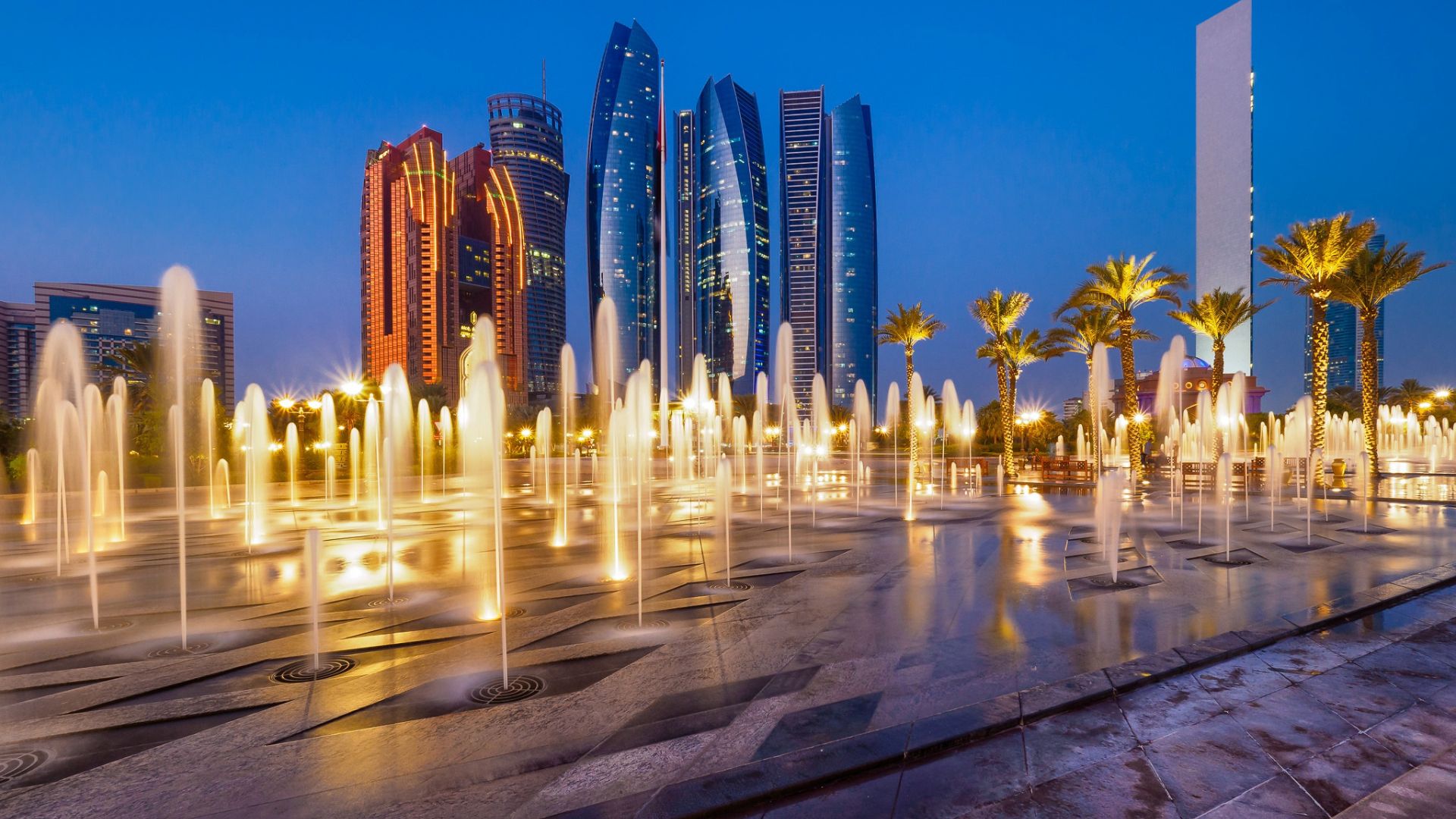
Navigating the UAE property market outlook in 2026 requires more than just a glance at rising price charts; it demands a deep understanding of the geopolitical and macroeconomic currents shaping the Middle East. For the past decade, the United Arab Emirates has stood as a beacon of stability, attracting record-breaking foreign direct investment (FDI). However, as we enter a period of global recalibration, investors are increasingly asking: Is the current slowdown the beginning of a crash, or simply a necessary correction?
Historical data suggests that real estate cycles are as much about "confidence" as they are about "capital." Currently, the UAE market is entering a sophisticated "observation phase." This is a period where the initial rush of post-pandemic euphoria has settled, and the market is transitioning into a more sustainable, value-driven era. In this 2000-word deep dive, we will dissect the mechanics of Dubai and Abu Dhabi to provide the clarity every serious investor needs.
To understand the future, one must recognize that the UAE is not a monolithic market. Dubai and Abu Dhabi are two distinct economic engines that respond to global stimuli in very different ways. While headlines often conflate the two, their underlying foundations—supply management, buyer demographics, and revenue streams—are vastly different.
Dubai is a hyper-connected global hub. Its real estate success is built on mobility, openness, and rapid trade. Consequently, it is the first to feel the effects of global sentiment shifts. Abu Dhabi, by contrast, is an institutional powerhouse. Its market is anchored by sovereign wealth, long-term infrastructure planning, and a highly controlled supply chain. This divergence is the UAE’s greatest strength, providing a balanced ecosystem where one market’s agility complements the other’s stability.

The resilience of the UAE is rooted in its proactive governance. Unlike many Western markets currently struggling with stagflation, the UAE remains a high-growth environment. The "observation phase" we are seeing today is largely driven by a temporary "wait-and-watch" approach from institutional investors monitoring regional developments. However, the structural demand remains high.
In Dubai, the influx of high-net-worth individuals (HNWIs) seeking safety and luxury has not stopped; it has merely become more selective. In Abu Dhabi, the expansion of the non-oil economy is creating a new class of long-term residents. When we look at the UAE property market outlook, we see a shift from speculative "flipping" to "buy-to-hold" strategies, which is a hallmark of a maturing, stable market.
For investors, the choice between Dubai and Abu Dhabi depends on risk appetite and liquidity needs. Dubai offers higher volatility but significantly higher potential for rapid capital appreciation. It is a market of "moments"—where the right launch at the right time in areas like Dubai Hills or Palm Jumeirah can yield massive returns. However, this also means the market enters "standby mode" more frequently when global travel or tourism softens.
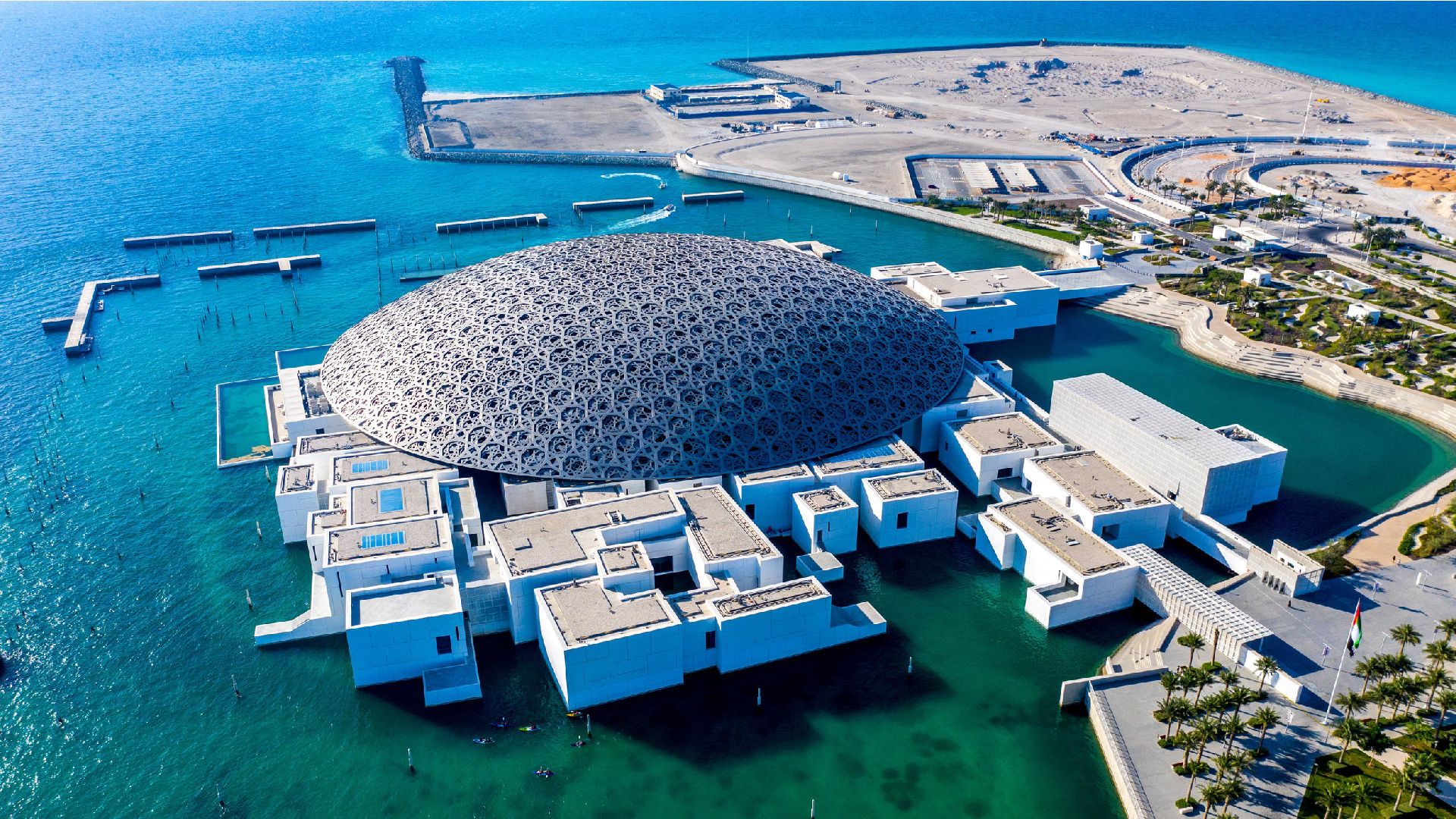
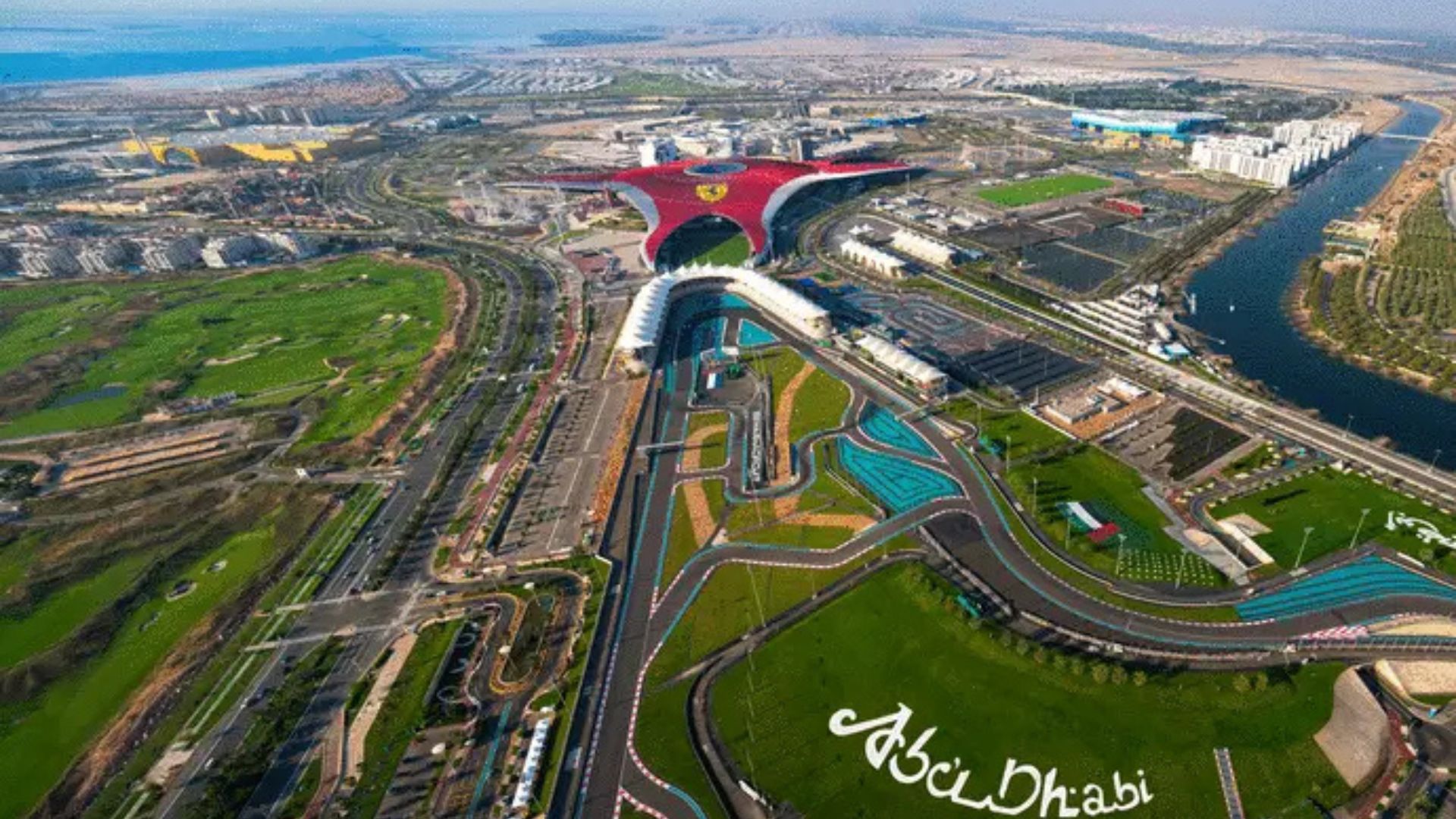
Abu Dhabi offers a more "gradual" expansion. The government’s strategy of releasing land and inventory in phases—particularly in zones like Yas Island and Saadiyat Island—prevents the "boom and bust" cycles seen in other global cities. This controlled approach acts as a buffer against regional uncertainty. Furthermore, the "energy tailwinds" from higher oil prices provide the capital necessary for Abu Dhabi to continue its massive infrastructure projects, such as the Etihad Rail and the Cultural District expansion, regardless of short-term market sentiment.
It is vital to distinguish between a correction and a crash. A crash is systemic—it involves a total loss of liquidity, mass foreclosures, and a collapse in banking trust. A correction, however, is a price adjustment that returns the market to its "mean." After the 20-40% gains seen in some UAE sectors over the last 24 months, a 10-15% adjustment is not a failure; it is a necessity for long-term health.
| Market Indicator | 2021-2024 (The Boom) | 2025-2026 (The Recalibration) | Investor Sentiment |
|---|---|---|---|
| Price Growth | 25% - 40% annually | 3% - 7% (Sustainable) | Balanced |
| Buyer Type | Speculators & Cash Buyers | End-users & Institutional funds | Strategic |
| Inventory Supply | Under-supply in luxury | Strategic release of new units | Cautious |
While the world focuses on the transition to green energy, the current reality of the energy market continues to benefit the UAE. High energy revenues allow for a "sovereign safety net." This means that even if private investment slows down, the government has the fiscal space to continue funding the projects that make real estate valuable. In Abu Dhabi, this translates to continued confidence in long-term capital deployment.
One of the strongest arguments against a market crash is the rental market. In a crash, rental demand disappears as people leave the country. Currently, occupancy rates in prime UAE locations remain above 90%. While rental growth may slow down from the record highs of 2024, the yields in the UAE (often 6-9% net) remain significantly higher than those in London, New York, or Singapore. As long as the yield spread remains attractive, capital will continue to flow into UAE real estate.
A significant portion of the UAE market is cash-driven, particularly in the ultra-luxury segment. This insulates the market from the aggressive interest rate hikes seen in Europe and the US. While mortgage buyers are feeling the pinch, the sheer volume of cash transactions acts as a floor for property prices, preventing the "forced sale" spirals that characterize a true market crash.
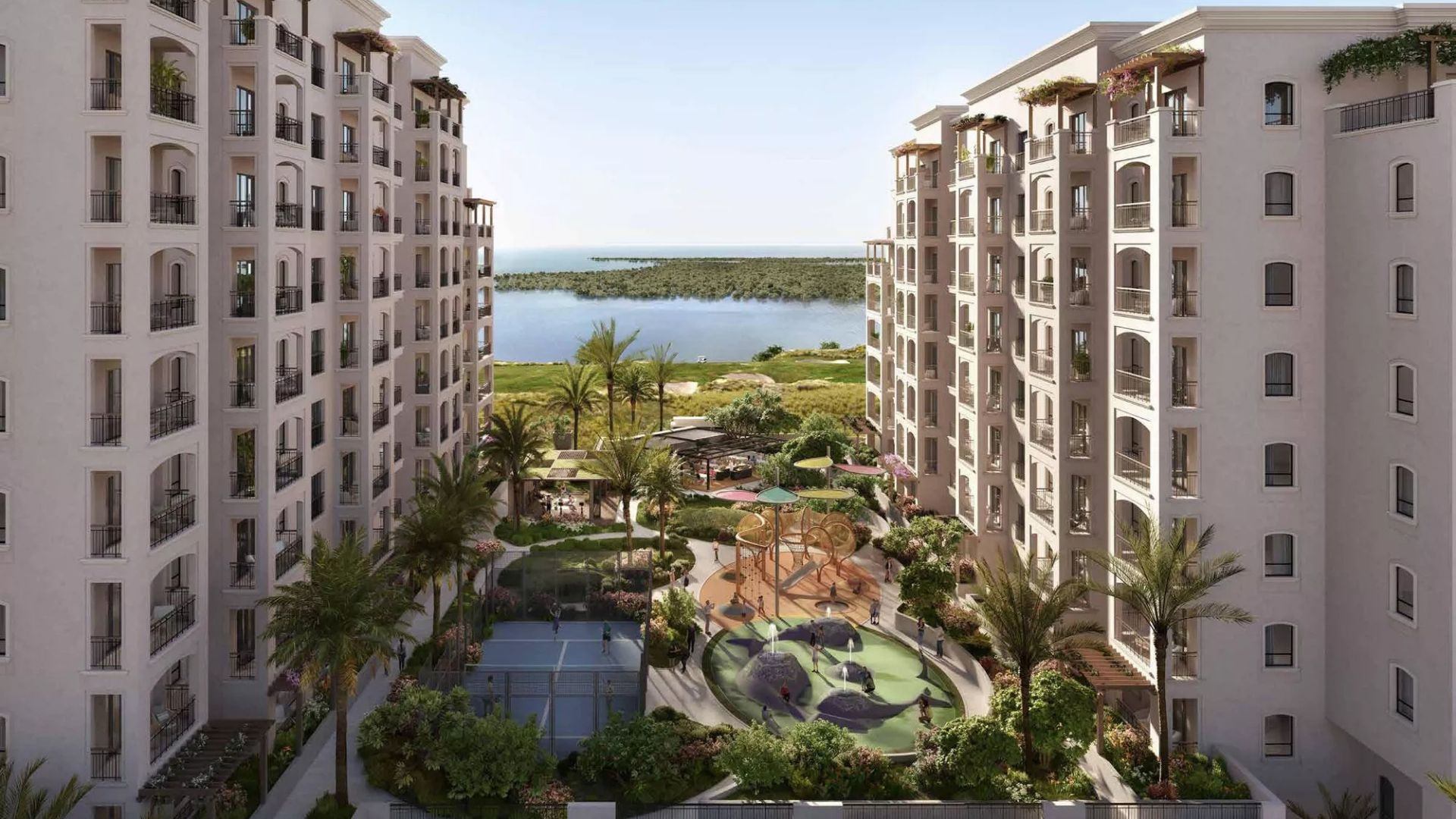
Experienced investors treat uncertainty as a tool. During a "standby" phase, the "froth" leaves the market. Sellers who over-leveraged themselves become more flexible, and developers offer more attractive payment plans to maintain momentum. This is the time to identify "under-valued" assets in prime locations—assets that will lead the next rally once the observation phase concludes.
Unlike 2008, the current market is supported by strong regulation, higher down-payment requirements, and a significant percentage of cash buyers. Most analysts view current price levels as a reflection of the UAE's new status as a global safe haven rather than a speculative bubble.
Dubai is sensitive to global sentiment. Historically, regional tensions lead to a temporary pause in transaction volume. However, because Dubai is seen as a safe harbor within the region, long-term capital often remains or even increases as investors seek stability within the Middle East.
Abu Dhabi’s market is more tightly regulated in terms of supply. The government controls land release and project approvals to ensure that supply matches long-term population growth. This prevents the oversupply issues that can lead to sharp price drops.
Waiting for a crash that may not happen can be costly. In the UAE, market corrections are often brief. A more effective strategy is to look for distressed individual deals or high-quality off-plan projects with flexible payment plans during these quieter periods.
In Abu Dhabi, Saadiyat Island and Yas Island remain top picks for capital growth. In Dubai, established communities like Dubai Hills Estate and the waterfront developments at Dubai Creek Harbour continue to show strong rental demand and resilience.
The UAE real estate market in 2026 is a landscape for the informed investor. By looking past the headlines and understanding the structural differences between Dubai’s dynamic agility and Abu Dhabi’s sovereign stability, you can position your portfolio for the next decade of growth. The UAE property market outlook remains bright, provided you trade speculation for strategy.
📍 EstateHub 360
Cloud Suite #126, Yas Mall, Abu Dhabi
📧 hello@estatehub360.com | 📞 +971 50 360 6464
ADM-202402341804 | CN-4844411

About Us
Experience a hassle-free real estate journey with EstateHub 360, your concierge for all your real estate needs. Be it short-term rentals, long-term rentals, or investment properties, we've got you covered. We are dedicated to ensuring that you have a…
Newsletter
Be the first to see what is hot on the market!
The data provided will be used strictly to communicate information of interest!
Contact Us