
Abu Dhabi Property Prices: Are You Watching the Right Market ?

A look beyond visible listings to understand what Abu Dhabi property prices may or may not be revealing.
Are You Watching the Right Market? In Abu Dhabi, Abu Dhabi property prices may look steady on the surface, but the real market story is often unfolding somewhere less visible. There’s a common assumption in real estate: 👉 What you see is what the market is. Listings are visible. Prices are public. Portals are constantly updated. And yet… that’s often not where the real market lives. Especially in a moment like the one we’re seeing in Abu Dhabi.
The Market Looks Stable… Until You Step Inside It Abu Dhabi property prices
On the surface, the picture seems clear.
Sellers are holding their prices.
New projects are launching.
Developers are not adjusting publicly.
Even today, there are buyers stepping into the market — some of them confidently committing to newly launched projects, encouraged by relatively low entry points, with down payments as low as 5%.
From the outside, that creates a sense of resilience.
👉 “If transactions are happening and prices are holding, the market must be stable.”
But that’s only part of the story.
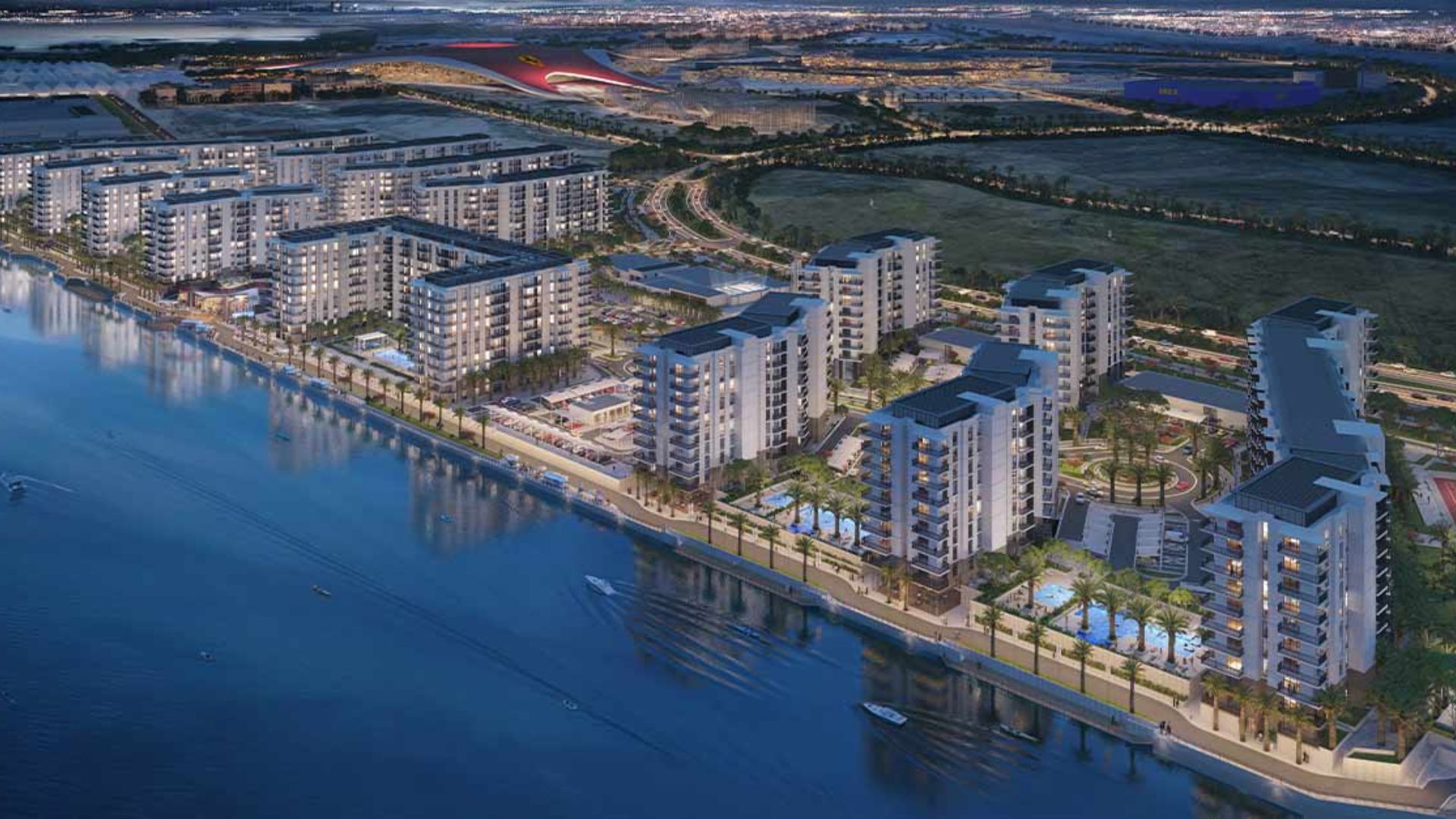
The visible market can look stable even when underlying transaction behaviour is beginning to shift.
The Layer Most People Don’t See Abu Dhabi property prices
Because beneath that surface, a different dynamic is forming.
Transaction volumes are lower.
Decisions take longer.
And most importantly — not all sellers are behaving the same way.
There are, in reality, two markets coexisting:
1. The Visible Market
- Sellers holding firm
- Listings unchanged
- Developers maintaining pricing
2. The Quiet Market
- Select distress deals emerging
- Sellers under pressure becoming negotiable
- Transactions closing below expectations
And the second one is not immediately visible.

Not every market signal appears on portals. Some of the most meaningful ones happen inside negotiations.
The Rise of Quiet Distress
Not all sellers are in the same position.
Long-term investors, especially those who entered the market earlier and recognize its long-term potential, are largely holding. They have the capacity — and the confidence — to wait.
Some are even moving in the opposite direction.
👉 They are buying.
Particularly in new launches, where structured payment plans and low initial capital requirements create a perception of lower risk and long-term positioning.
But alongside them, another group is beginning to emerge.
Sellers facing financial pressure.
Payment plans approaching.
Liquidity needs increasing.
Vacancies extending longer than expected.
And for this group, the question shifts.
From:
👉 “How much can I get?”
to
👉 “How quickly can I exit?”
This is where distress begins to surface…., selectively.
Where the Real Market Starts to Move
This is where the gap between asking price and closing price becomes critical.
Because publicly:
- Prices appear unchanged
- Listings remain optimistic
But privately:
- Sellers are negotiating
- Deals are closing below listing levels
- In some cases, even at the original purchase prices
And this is the part of the market most people don’t see. Because it doesn’t appear on portals. It happens in conversations.
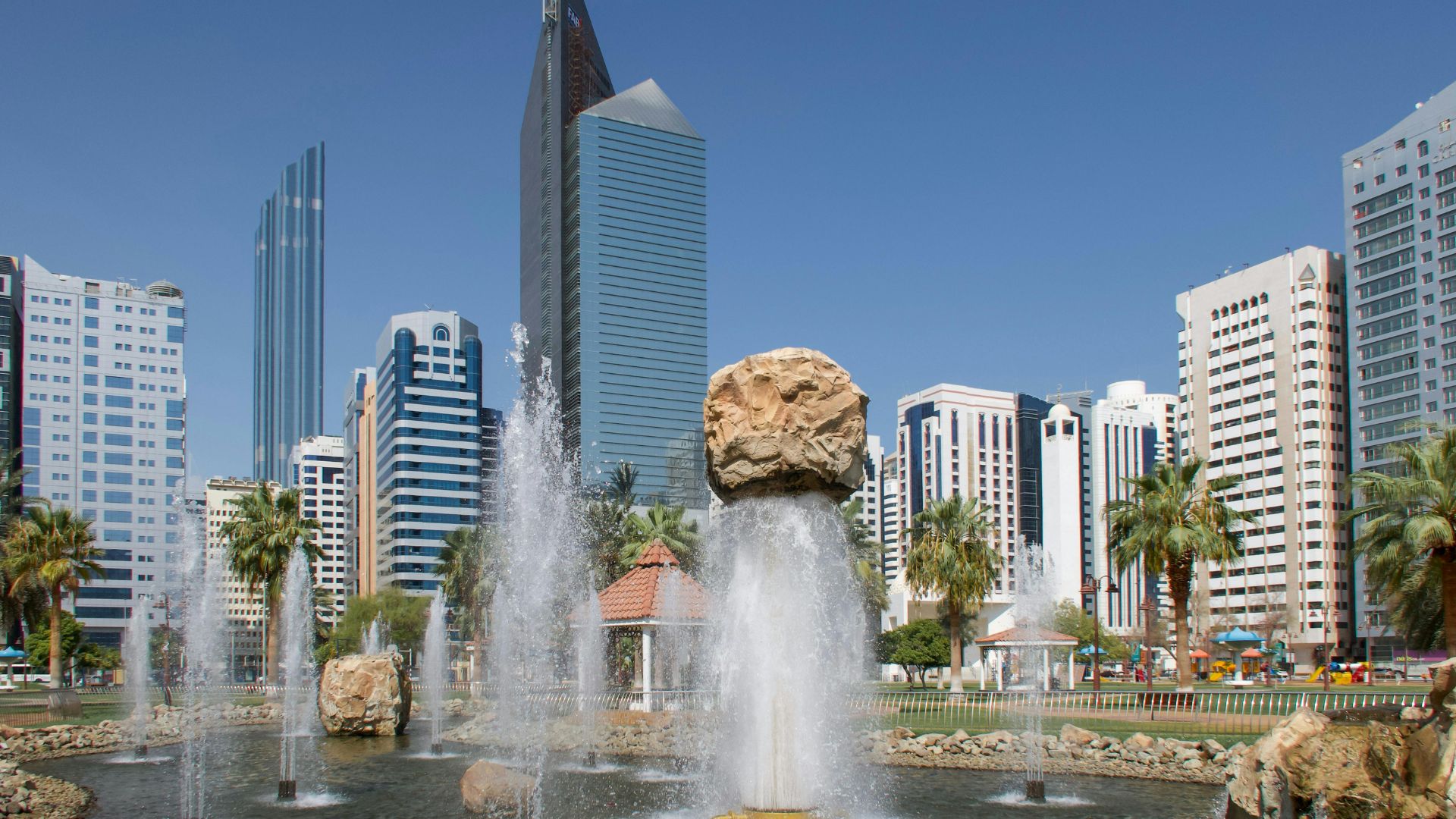
The real movement often begins in private discussions, long before it becomes visible in public asking prices.
Low Volume, High Signal
Another important indicator right now is transaction volume.
Deals are still happening — but at a slower pace.
And that matters.
Because in real estate:
👉 Price is a lagging indicator
👉 Volume and speed are leading indicators
When volume drops and speed slows:
- Pressure begins to build
- Flexibility starts to appear
- Market direction begins to shift
Not through headlines — but through behavior.
Two Types of Conviction
What makes this phase particularly interesting is the contrast in conviction.
On one side:
- Long-term investors holding or even buying
- Developers maintaining pricing
- Confidence in future fundamentals
On the other side:
- Sellers under pressure adjusting expectations
- Distress deals appearing quietly
- Negotiation is becoming more common
This creates a market that feels stable… but is internally rebalancing.
| What the Public Sees | What the Negotiated Market May Be Showing |
|---|---|
| Listings remain visible and firm | Selected sellers may already be flexible in private |
| Projects continue to launch | Absorption speed may be slower than before |
| Prices look stable | Closing prices may be softer in certain deals |
| Public sentiment appears resilient | Behaviour may already be shifting under the surface |

Watching the right indicators matters, because early changes often appear in behaviour before they appear in headlines.
The Risk of Watching the Wrong Signals
If you’re only watching:
- Listing prices
- New launch announcements
- Public sentiment
You might conclude:
👉 “Nothing has changed.”
But if you’re closer to actual transactions, you may notice:
👉 “Something is already adjusting.”
And that difference matters.
Because by the time price corrections become visible…
👉 The early signals — and often the best opportunities — have already passed.
For broader context about the city, see Abu Dhabi. For local market commentary and deeper analysis, visit EstateHub 360.
Final Thought
Real estate markets don’t shift when prices change.
They shift when behavior changes. And right now, behavior is no longer uniform.
Some are holding. Some are buying. Some are quietly exiting.
So the real question is:
Are you watching the market that’s being advertised… or the one that’s actually being negotiated?
📍 EstateHub 360
Cloud Suite #126, Yas Mall, Abu Dhabi
📧 hello@estatehub360.com | 📞 +971 50 360 6464.
ADM-202402341804 | CN-4844411