
Abu Dhabi Price Trends: The Market Isn’t Falling… It’s Waiting
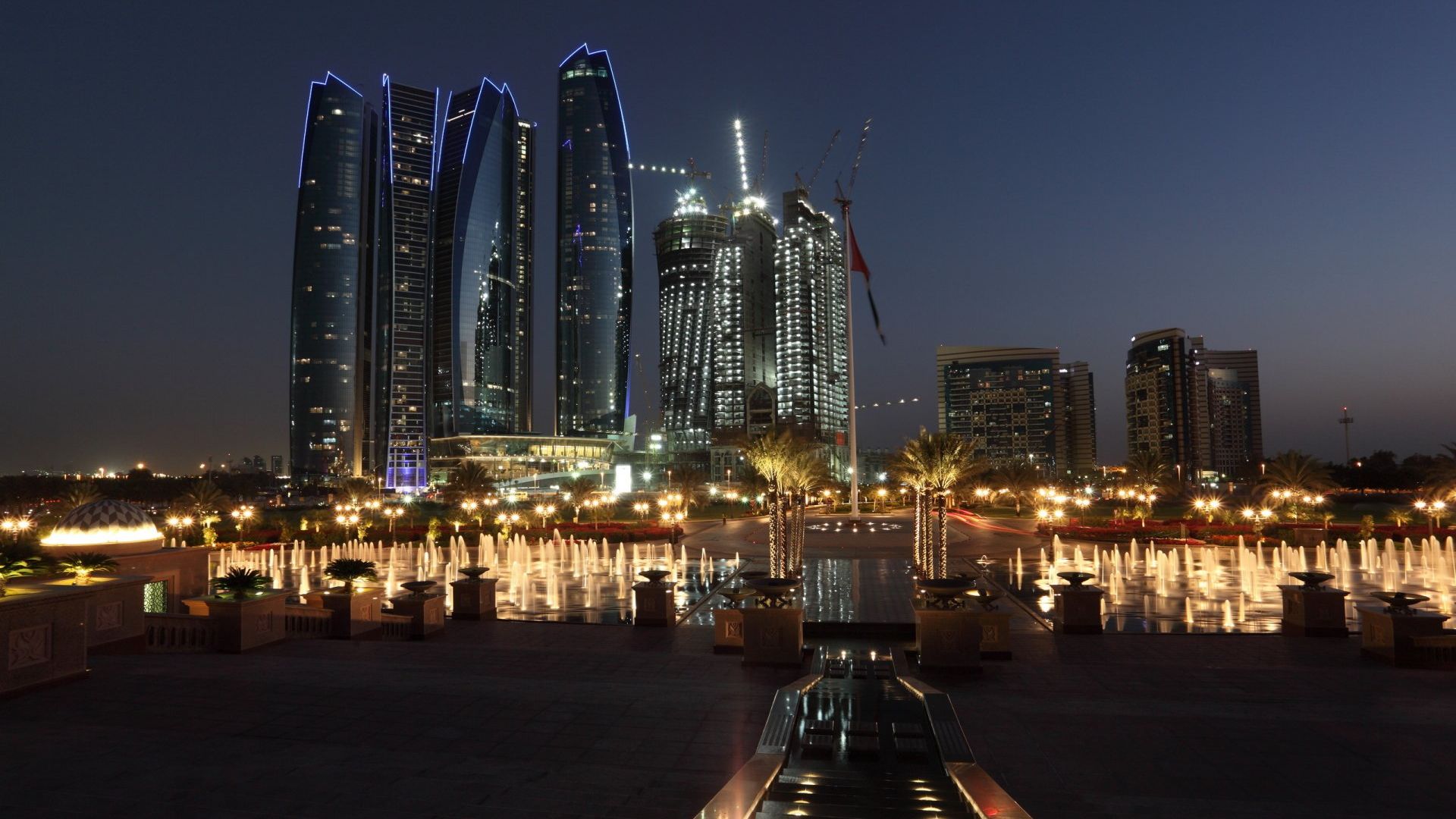
A calm market can still be a meaningful market. Abu Dhabi price trends quietly reveal.
Abu Dhabi price trends are at the heart of this conversation, and the message below keeps your client’s original wording intact while presenting it in a clean, mobile-friendly blog layout.
A Market on Pause: Is This the Start of a Correction — or Just a Familiar Cycle?
Right now, the real estate market in Abu Dhabi feels… quiet.
Not weak. Not collapsing. Just paused.
Transactions have slowed. Buyers are waiting. Sellers and landlords are holding their prices. And many residents are taking a step back, watching how the regional situation unfolds.
It’s a standoff.
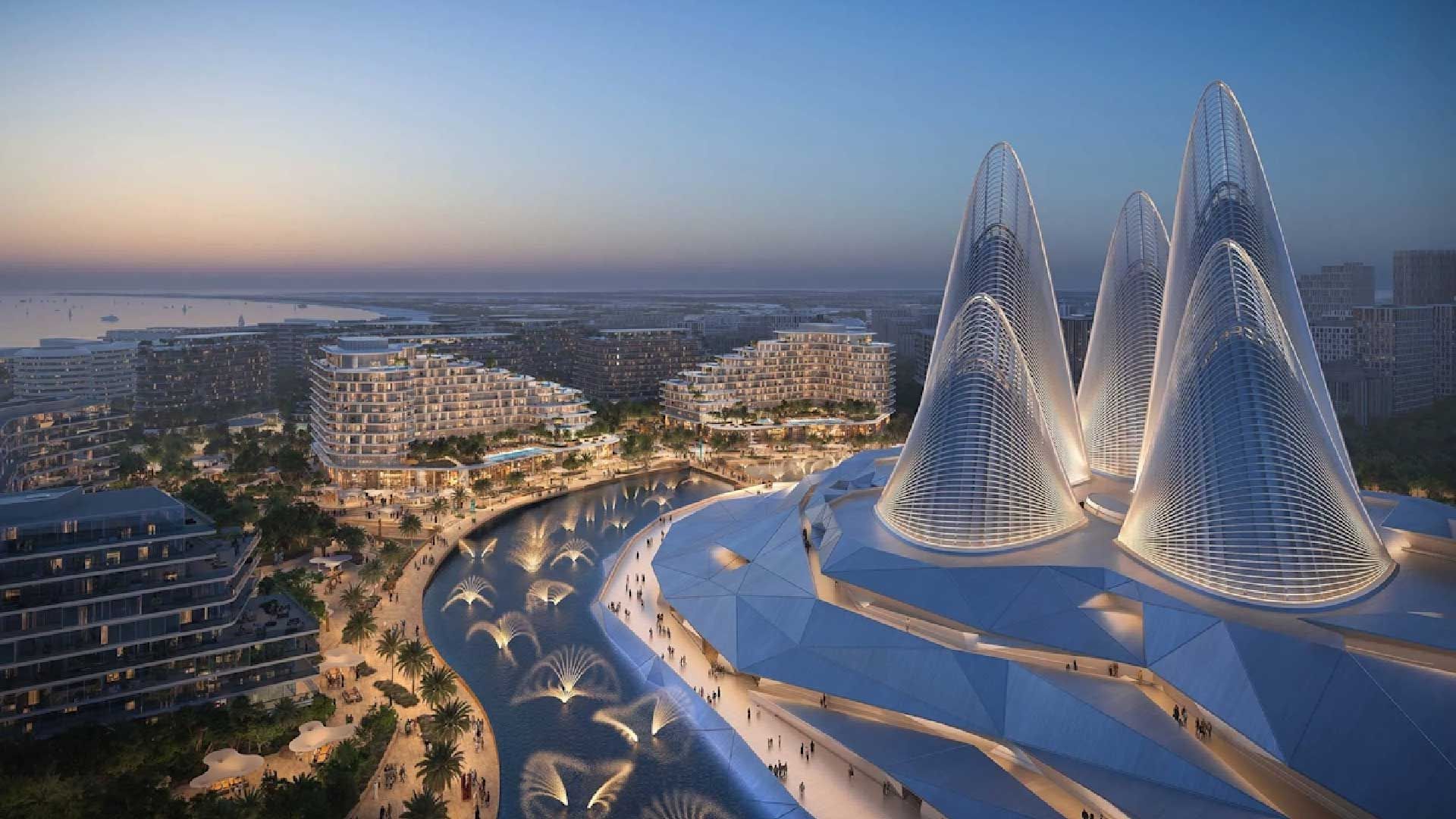
The market may feel still, but stillness in real estate often means people are waiting for the next clear signal.
When Confidence Pauses, So Does the Market
What’s happening today is less about numbers — and more about confidence.
For years, the UAE has positioned itself as one of the safest and most stable places globally. That perception played a major role in attracting investors and residents.
But uncertainty in the region has challenged that narrative, even if only temporarily.
- Fewer new residents are entering the market
- Some existing residents are considering leaving
- Demand growth is slowing significantly
At the same time, new handovers are approaching toward the end of the year, which means supply is increasing just as demand is softening.
This is where pressure begins to build — not suddenly, but gradually.
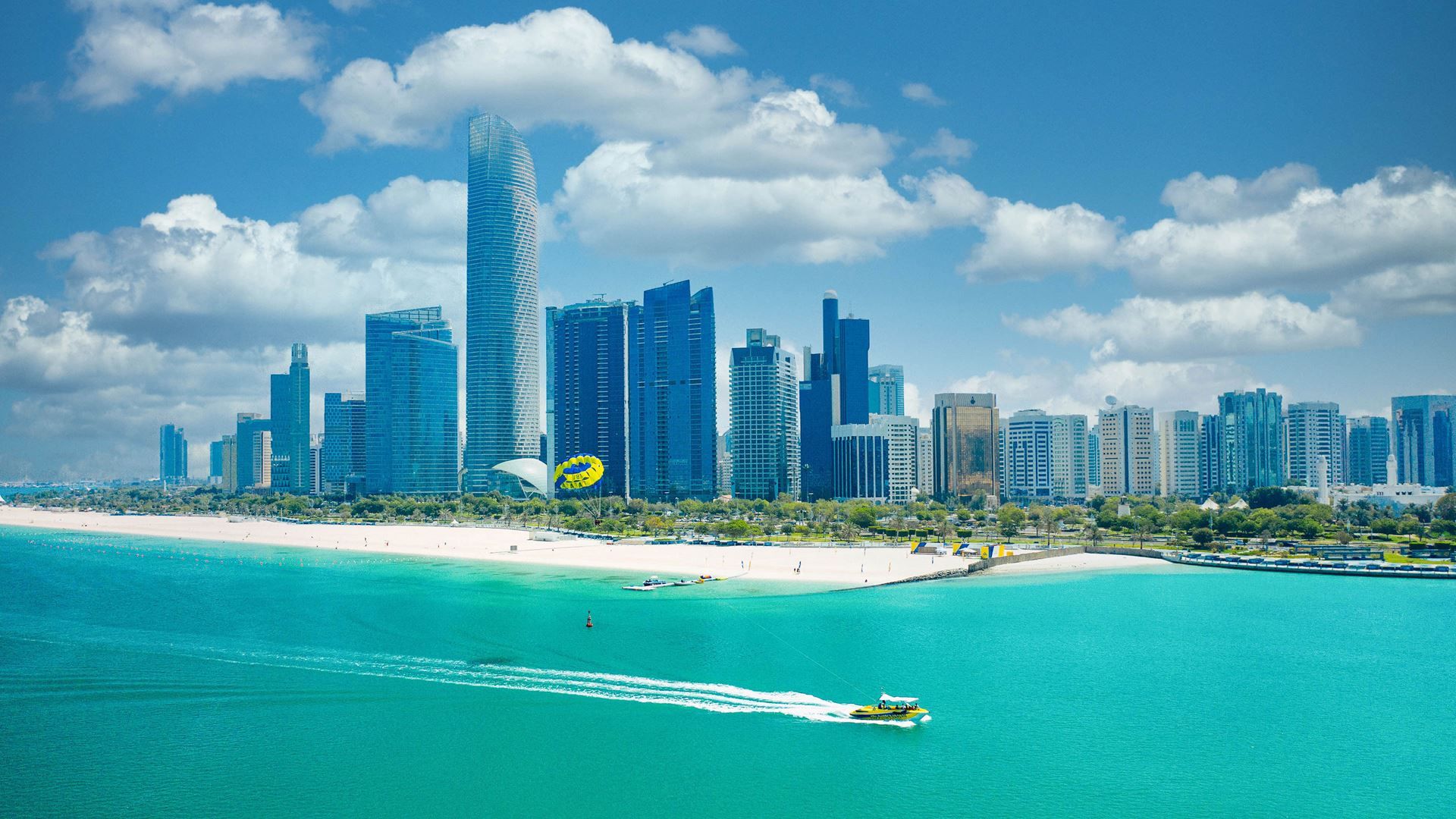
When confidence softens and supply rises, the pressure usually builds slowly before it becomes visible in pricing.
The Cost of Living Factor
Another layer is quietly forming in the background.
- Oil prices are rising
- Supply chain disruptions are increasing costs
- The overall cost of living is expected to go up
In response, banks may consider tightening conditions to control inflation, even if aggressive rate hikes remain unlikely.
What does this mean in practical terms?
- 👉 Less disposable income
- 👉 More cautious buyers
- 👉 Slower decision-making
And again… the market slows.
A Familiar Feeling: The COVID Parallel
If this situation feels familiar, it’s because we’ve seen something similar before.
During the early phase of COVID-19 pandemic, the market didn’t crash immediately.
It paused.
- Transactions slowed
- Movement stopped
- People waited
- Uncertainty dominated
Prices didn’t collapse overnight.
They adjusted gradually as reality set in.
Then something interesting happened.
Once visibility improved and confidence returned, the UAE market didn’t just recover — it accelerated quickly.
Sometimes the first sign of a shift is not a fall. It is a pause that quietly changes how everyone behaves.
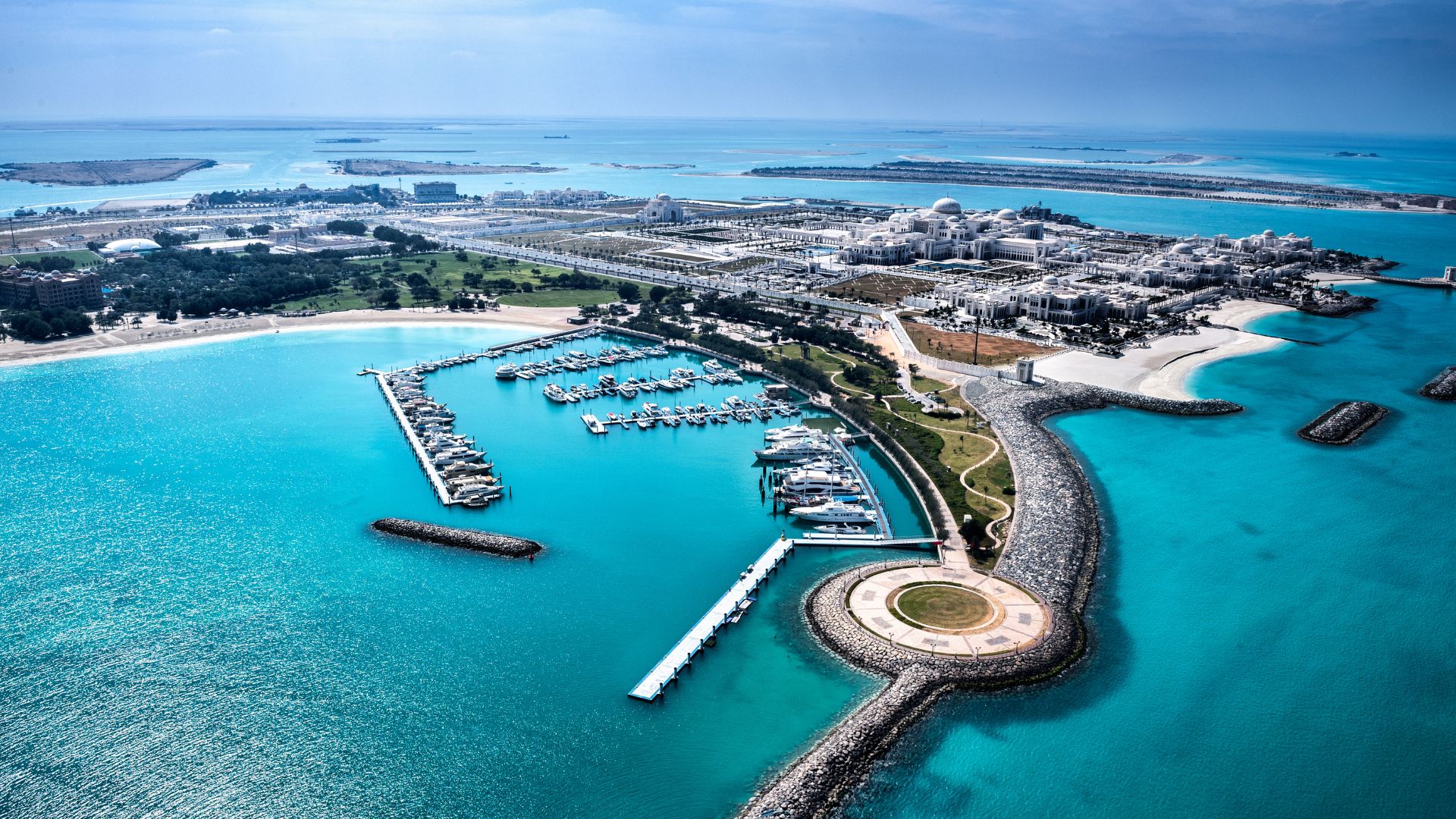
In uncertain phases, decisions slow down first. Pricing often reacts later.
Are We Entering a Similar Pattern?
Today’s situation shares some similarities:
- Uncertainty is high
- Investor sentiment fluctuates based on political developments
- Markets are volatile
- Yet daily life still feels relatively stable
It’s that same “everything is normal… but not quite” feeling.
The key difference is that today’s market is coming off 18 months of strong price growth, not a slowdown.
Which means what we’re likely to see first is not a crash — but a price correction.
What Could Trigger the Adjustment?
At the moment, most participants can still hold their position.
But that won’t last indefinitely.
Over the next months, several pressures may start to align:
- Payment plan deadlines approaching
- Property handovers requiring final payments
- Vacant units increasing if demand slows
- Landlords prioritizing occupancy over price
This is when the market typically shifts from waiting… to adjusting.
Not dramatically — but noticeably.
| Pressure Point | Likely Market Effect |
|---|---|
| Slower buyer activity | Longer decision timelines and stronger negotiation |
| New handovers | More supply entering a softer demand environment |
| Cost of living pressure | More cautious purchasing and rental decisions |
| Payment deadlines | Greater pressure on owners to complete or reposition |
| Vacancy concerns | Landlords may accept lower premiums to secure occupancy |
How Deep Could the Correction Go?
A common question is whether prices will return to pre-boom levels.
For example, in communities like Waters Edge:
- Previous rents were around 50–55K
- Sale prices ranged between 900K – 1M
A full return to those levels is unlikely unless conditions worsen significantly.
Why?
Because the market today has a different foundation:
- A larger resident base than pre-COVID
- More structured supply
- Higher development and financing costs
A more realistic scenario would be:
- Moderate price adjustments
- Reduced premiums
- More negotiable deals
In other words: a rebalancing, not a reset.
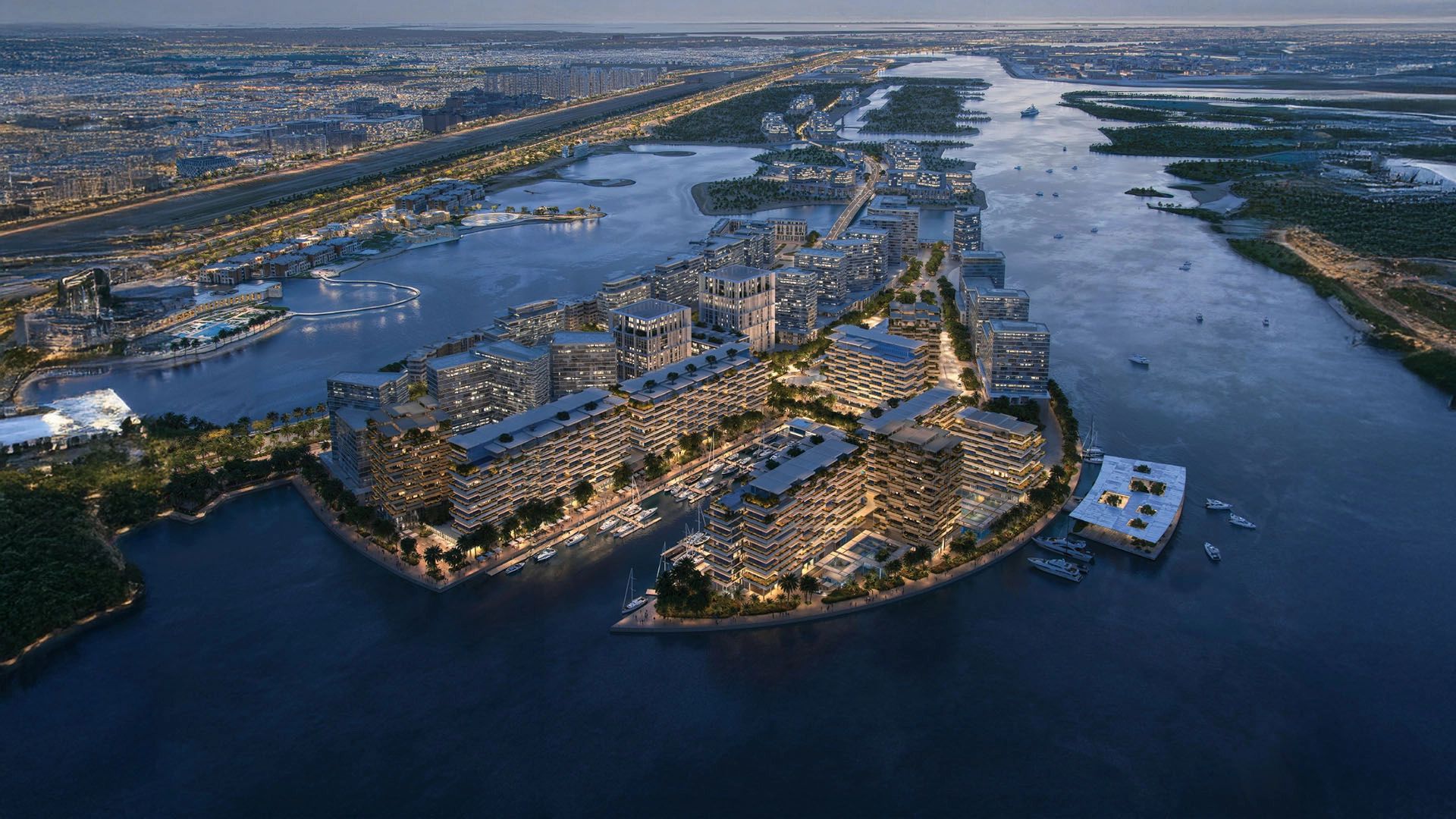
Long-term value is rarely shaped by one moment alone. It is shaped by how the market absorbs uncertainty.
What Happens If the Situation Stabilizes?
This is where the COVID parallel becomes important.
If regional tensions soften and confidence returns:
- Demand can recover relatively quickly
- Investor sentiment can shift just as fast as it declined
- Capital flows can resume
And as we’ve seen before, the UAE — particularly Dubai and Abu Dhabi — has the ability to bounce back faster than expected.
Final Thought
Right now, the market is not moving because everyone is waiting for clarity.
But real estate doesn’t stay still for long.
- 👉 If uncertainty continues, pressure will build and prices will adjust.
- 👉 If stability returns, confidence will follow — and so will demand.
Either way, this phase is temporary.
The real question is not whether the market will move.
It’s this:
Will you be reacting to the shift — or positioned ahead of it?
📍 EstateHub 360
Cloud Suite #126, Yas Mall, Abu Dhabi
📧 hello@estatehub360.com | 📞 +971 50 360 6464
ADM-202402341804 | CN-4844411
Explore more market insights on EstateHub 360 and read broader background on Abu Dhabi.