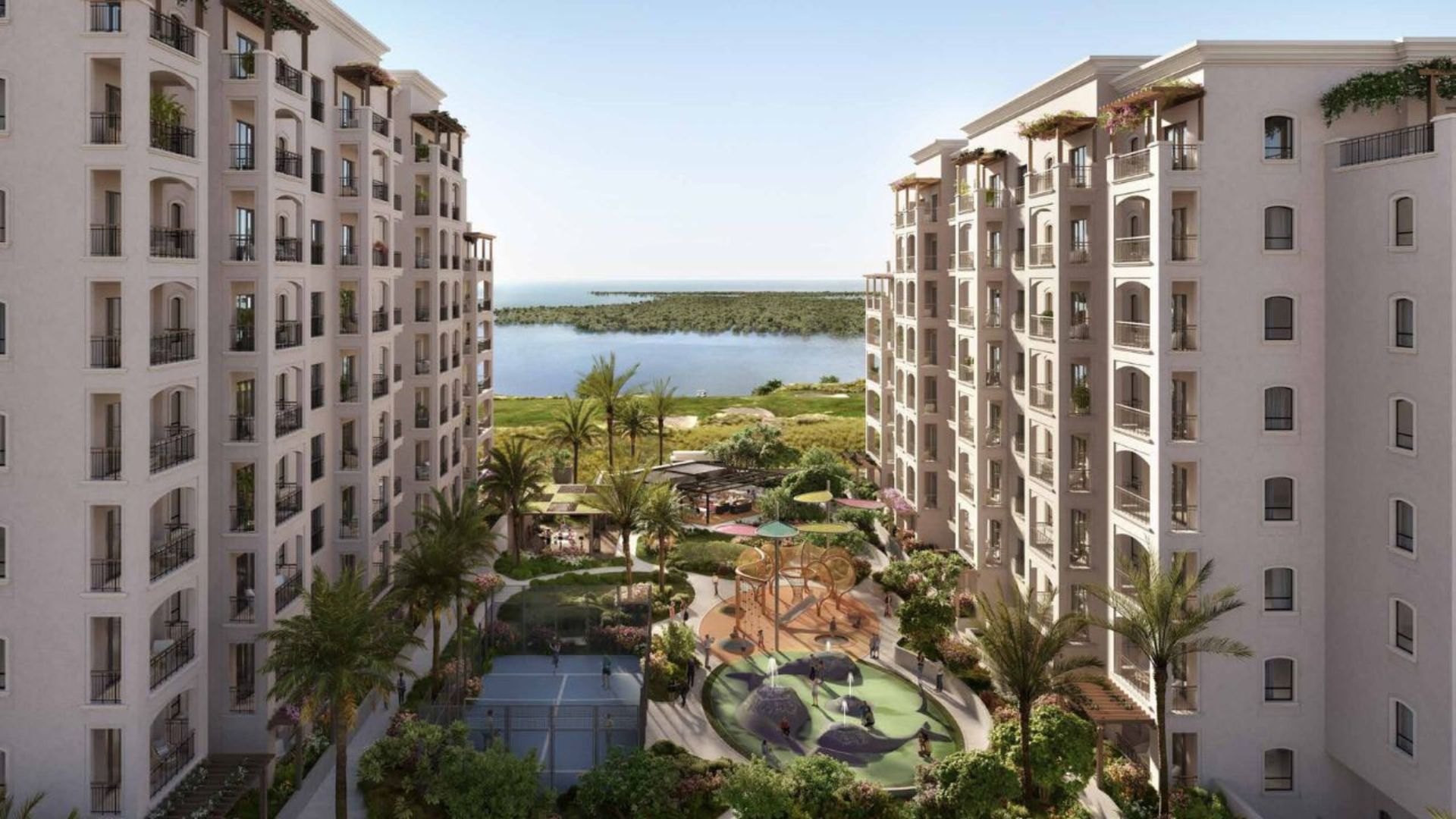
Abu Dhabi property scarcity is not an accident. It is part of how the market has been shaped over time. When supply is controlled, prices do not spike wildly. Instead, they move forward with intention. This is why Abu Dhabi does not behave like markets driven by sudden surges or dramatic drops. It behaves like a market designed to protect long-term value.
To understand how this works, we need to look beyond headlines and examine structure. Abu Dhabi’s property market has been built around discipline, phased development, and steady demand. That structure explains why price growth feels calm rather than chaotic.
Scarcity in Abu Dhabi Is Designed, Not Accidental
In many cities, scarcity happens when demand unexpectedly exceeds supply. In Abu Dhabi, however, supply is released in phases. Land is not opened all at once. Projects are not approved simply because interest rises temporarily. Communities are launched gradually, often aligned with infrastructure readiness, transport access, and long-term urban plans.
This intentional pace changes everything.
Because supply enters the market slowly, buyers are not forced into rushed decisions. Developers do not flood the market with identical units. Prices therefore rise in steps rather than in spikes. The market breathes. It expands carefully, and that discipline protects its long-term health, controlled release patterns create a rhythm that supports compounding growth instead of short-lived inflation.
Real Demand Supports Price Stability
Another reason Abu Dhabi property scarcity shapes price growth is the type of buyer active in the market. A significant portion of demand comes from residents who plan to live in what they purchase. These are families building long-term roots, professionals relocating with intention, and investors seeking stable rental returns rather than quick flips.
When owners plan to stay, they hold their properties through global slowdowns. They do not exit quickly at the first sign of uncertainty. As a result, prices do not swing dramatically. Instead, they settle and then continue rising over time.
This holding power strengthens the foundation of the market. It prevents panic selling. It reduces volatility. And it allows appreciation to occur gradually and sustainably.
No Oversupply Means No Forced Discounts
One of the biggest risks in real estate is oversupply. When too many units hit the market at once, developers compete aggressively on price. Discounts increase. Resale values soften. Confidence weakens.
Abu Dhabi avoids this cycle.
Because new supply is released in phases, there are rarely waves of identical properties entering the market simultaneously. Absorption rates remain healthy. Inventory pressure stays low. Developers do not need to slash prices to clear stock.
The absence of forced discounts protects long-term value. It ensures that price corrections, when they occur, are moderate rather than severe. That difference may seem subtle in the short term, but over years, it compounds into meaningful stability.
What the Market Data Shows
While Abu Dhabi rarely chases dramatic headlines, market data tells a consistent story. Over recent years, price movement has shown gradual year-on-year appreciation rather than sudden spikes. Newly launched projects in well-planned communities often achieve strong absorption without heavy incentives.
Rental demand remains steady, driven by residents rather than short-term speculation. Vacancy levels stay manageable because supply is aligned with actual population growth.
When viewed over several years, the price curve does not show sharp peaks followed by deep drops. Instead, it shows steady upward movement. That is the visible effect of Abu Dhabi property scarcity working as intended.
Compounding Over Time, Not Overnight
Abu Dhabi is sometimes misunderstood because growth feels measured rather than explosive. However, compounding rarely feels dramatic in the moment. It becomes powerful when viewed over longer periods.
Each development phase builds upon the previous one. Each community matures before the next expands. As infrastructure improves and demand deepens, price levels adjust gradually upward.
This pattern rewards patience. Investors who hold through cycles benefit from stability and steady appreciation rather than trying to time unpredictable spikes. In this sense, Abu Dhabi property scarcity is less about limiting opportunity and more about protecting it.
Why Scarcity Protects Downside Risk
Markets that expand too quickly often face sharp corrections. When supply overshoots demand, prices must adjust abruptly. That volatility can unsettle both residents and investors.
In Abu Dhabi, however, scarcity acts as a buffer. Because supply growth is controlled, downturns tend to be softer. Confidence returns more quickly after global slowdowns. Long-term holders are less exposed to severe price swings.
For investors seeking lower downside risk, this matters deeply. Stability may not be as exciting as rapid gains, but it often proves more sustainable over time.
How Estate Hub 360 Interprets the Market
At Estate Hub 360, the focus is not simply on current listings. It is on understanding how structure shapes opportunity. Abu Dhabi property scarcity creates specific conditions: limited inventory in prime areas, phased community releases, and predictable absorption patterns.
By interpreting these patterns, buyers can make decisions aligned with long-term growth rather than short-term noise. Instead of asking how quickly prices will spike, the better question becomes how steadily they will compound.
The Broader Impact on Rental Demand
Scarcity does not only influence sales prices. It also affects rental performance. When supply is aligned with genuine demand, rental markets remain healthier. Landlords are not forced to compete aggressively on price to secure tenants.
Abu Dhabi’s resident-driven demand supports occupancy. Professionals relocating for work, families choosing stable neighborhoods, and long-term residents all contribute to steady rental absorption. This dynamic strengthens yield potential while reducing vacancy risk.
Over time, rental stability feeds back into price stability. Investors feel confident. Developers maintain disciplined launches. The cycle continues.
Long-Term Thinking in a Short-Term World
Many global property markets move quickly, driven by speculation and sudden waves of capital. Abu Dhabi moves differently. Its design reflects long-term urban planning rather than reactionary growth.
Abu Dhabi property scarcity plays a central role in this philosophy. It filters speculation. It rewards patience. It creates a foundation where appreciation builds gradually, supported by infrastructure and genuine demand.
For buyers who value clarity over noise, this environment offers reassurance. Growth may not be loud, but it is consistent.
Frequently Asked Questions about Abu Dhabi Property Scarcity
Final Thoughts on Abu Dhabi Property Scarcity
Abu Dhabi property scarcity is not about withholding opportunity. It is about ensuring that opportunity remains protected. When supply is disciplined, demand is real, and development is phased carefully, markets behave differently.
Prices do not need to rush. They compound. They settle at new levels and then build further from there.
For investors seeking steady appreciation, controlled downside risk, and a market shaped by structure rather than speculation, Abu Dhabi continues to present a compelling case.
📍 EstateHub 360
Cloud Suite #126, Yas Mall, Abu Dhabi
📧 hello@estatehub360.com | 📞 +971 50 360 6464
ADM-202402341804 | CN-4844411