Follow us:

Abu Dhabi Rental Market Insight

Why Abu Dhabi Landlords Prefer Vacancy Over Lower Rent

Abu Dhabi rental vacancy market insight by EstateHub 360

A closer look at landlord psychology, asking rents, vacancy, and negotiation behavior in Abu Dhabi.

In the current Abu Dhabi rental vacancy market of Abu Dhabi, there is a pattern that, at first glance, doesn’t seem to make financial sense.

A growing number of landlords are choosing to keep their units vacant rather than accept lower rental offers.

Even when tenants are ready to move in.

Even when the unit has been vacant for weeks.

Even when reasonable market offers are on the table.

And from a purely logical perspective, the decision feels counterintuitive.

Why would someone choose zero income over reduced income?

The answer is not purely financial.

It is psychological.

Abu Dhabi rental vacancy and the landlord mindset

Why Abu Dhabi rental vacancy feels safer than lower rent

The Real Reason: Loss Feels Heavier Than Income

This behavior is closely linked to what behavioral economists describe as loss aversion —in simple terms, people don’t evaluate gains and losses symmetrically.

A financial loss feels significantly more painful than an equivalent financial gain feels rewarding.

So, in the mind of a landlord:

  • Lowering rent feels like a permanent loss of value
  • Keeping the asking price feels like preserving the asset
  • Vacancy feels temporary
  • A reduced rent feels final

And that difference matters more than it should.

Because emotionally, accepting a lower rent is not seen as a market adjustment.

It is felt as a personal downgrade of the property’s worth.
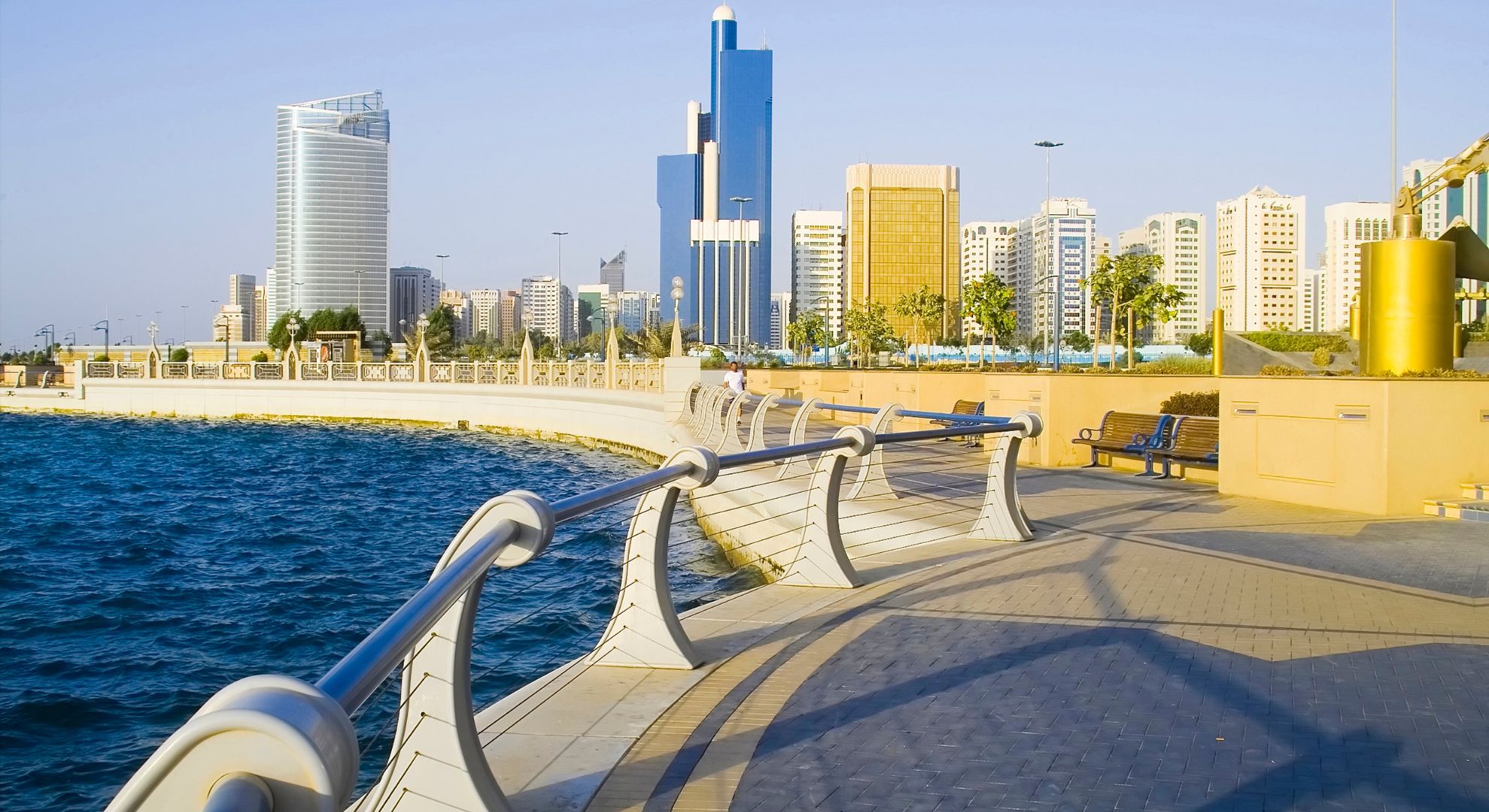
Abu Dhabi property investment guidance and rental decision making

Landlord decisions are often shaped by emotion, expectation, and the fear of losing perceived value.

Anchoring to the “Previous Market”

Another important layer is anchoring.

Many landlords in Abu Dhabi still mentally reference the strong rental growth seen over the past 18–24 months.

That period created a psychological benchmark:

“This is what my property should rent for.”

Even if market conditions shift slightly, the anchor remains powerful.

So instead of adjusting expectations immediately, many owners prefer to:

  • hold the price
  • wait for “the right tenant”
  • believe the market will return to previous levels

Vacancy, in this context, feels like a delay. A lower rent feels like acceptance. And acceptance is often the hardest part.

The Illusion of Time

There is also a subtle but important psychological distortion at play: time perception.

Vacancy is often mentally framed as a “Temporary loss while I wait for better conditions”

Whereas lowering rent is framed as “a permanent reset of my asset’s value”

So even if the financial outcome of vacancy is worse in the short term, it feels emotionally safer.

This is why many landlords choose to “wait it out,” even when the market is offering them real but slightly lower demand.
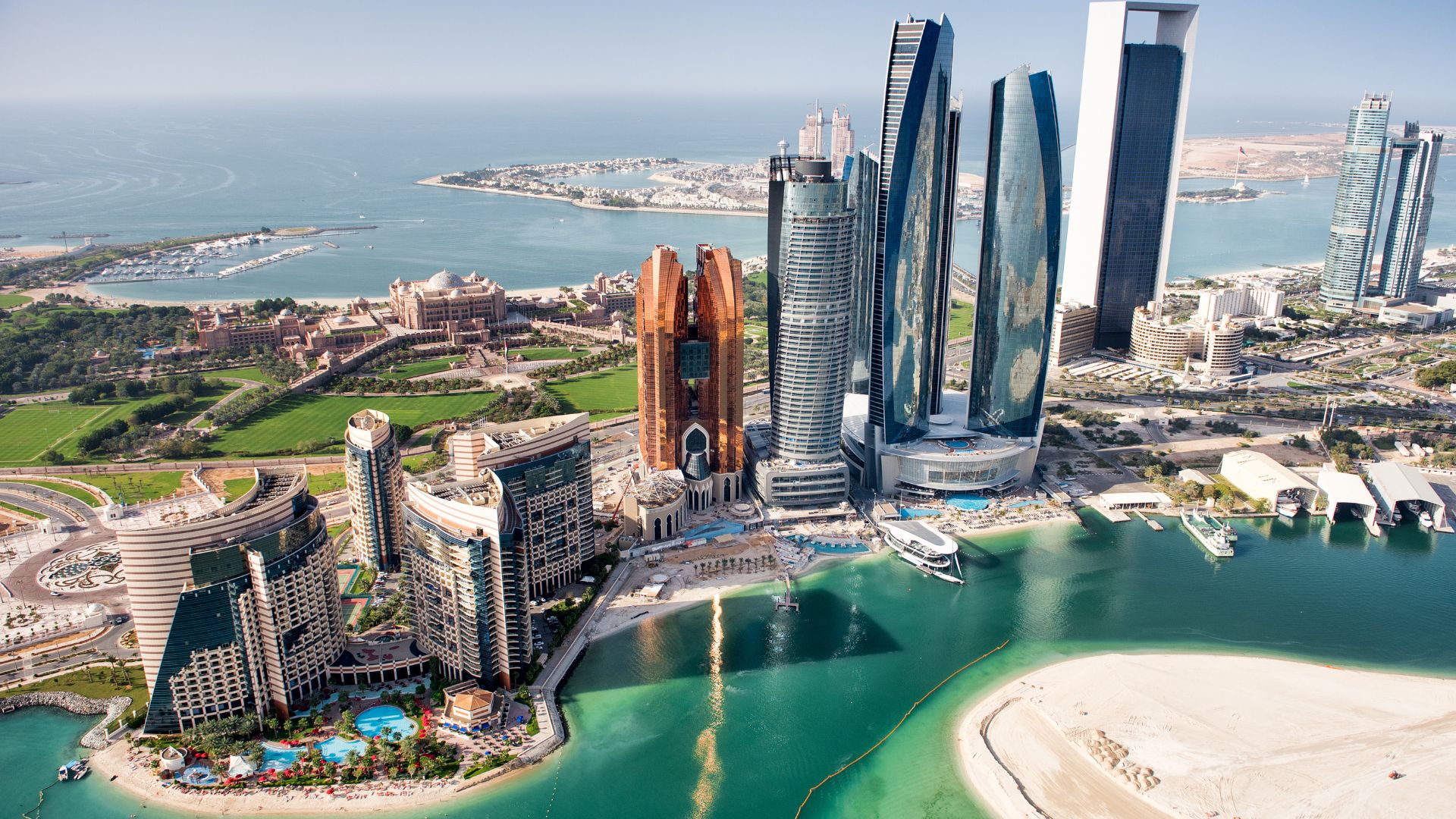
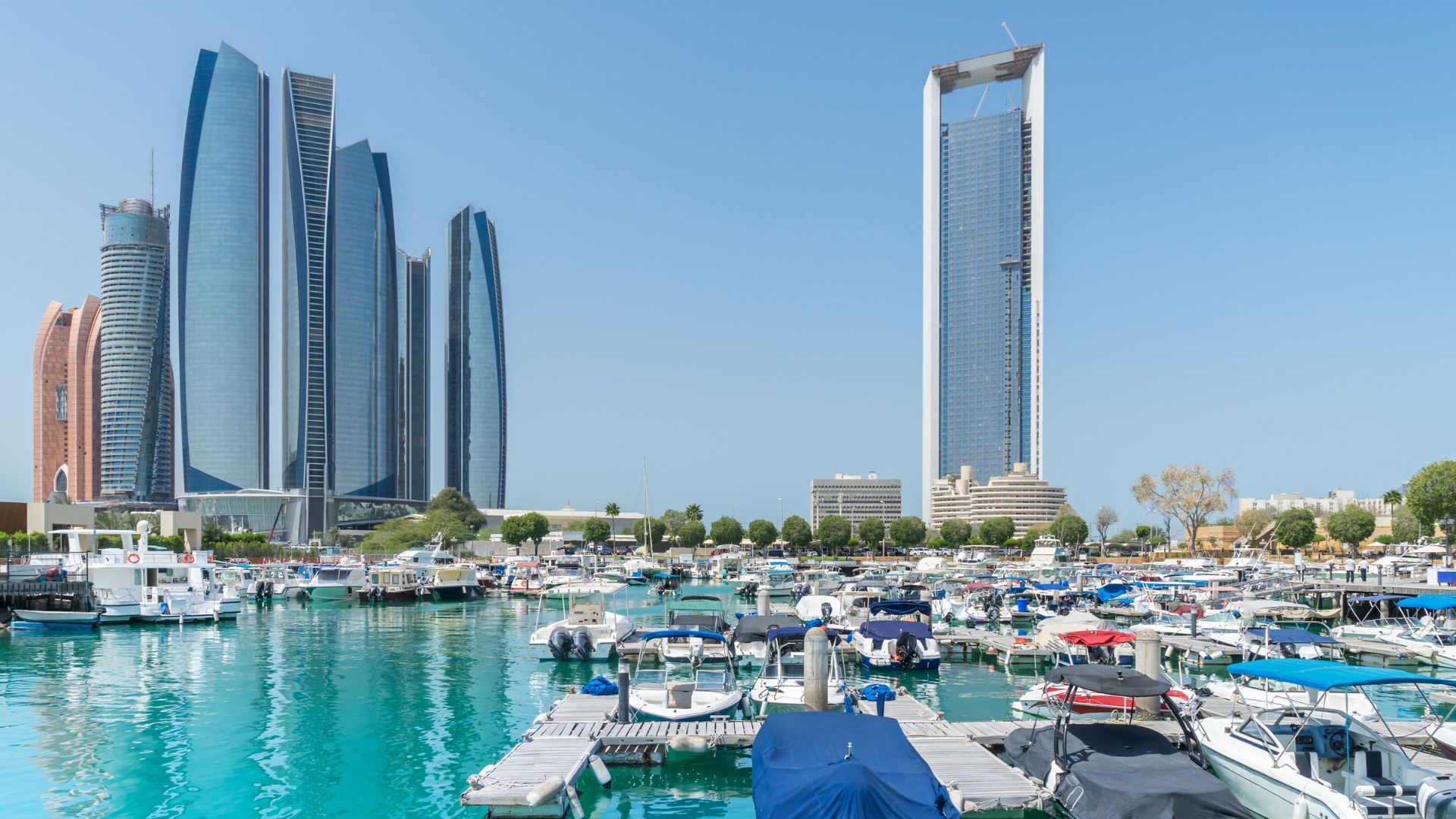
Abu Dhabi waterfront property rental market psychology

In premium communities, landlords may hold expectations longer because past growth becomes a strong mental benchmark.

What Is Actually Happening in the Market

From a behavioral standpoint, the rental market is recalibrating slowly through negotiation rather than listing prices.

What we are seeing is:

  • Some downward adjustments in achieved rents (not always visible in listings)
  • Increasing flexibility on payment terms
  • More negotiation before closing
  • Selective acceptance of lower offers
  • A growing gap between asking rents and agreed rents

And importantly, this adjustment is not uniform.

It is happening quietly, deal by deal, landlord by landlord.

For more Abu Dhabi real estate insights, visit EstateHub 360. You can also learn more about the city through this Abu Dhabi reference.

Why Vacancy Will Eventually Lose This Battle

While the preference for vacancy may continue in the short term, it is not a sustainable long-term position.

Because holding costs accumulate:

  • Service charges remain
  • Mortgage payments (if applicable) continue
  • Opportunity cost increases (what you miss out on by choosing one option over another)
  • Seasonal demand cycles shift
  • New supply gradually enters the market

Over time, the emotional framing also changes.

What initially felt like:

“I am waiting for the right tenant”

Slowly becomes:

“I am losing time and income.”

And this is usually where behavior shifts, gradually.

First through:

  • more flexibility on payments
  • then through incentives ( 13 months contracts, 1 month free)
  • and eventually through visible price adjustments

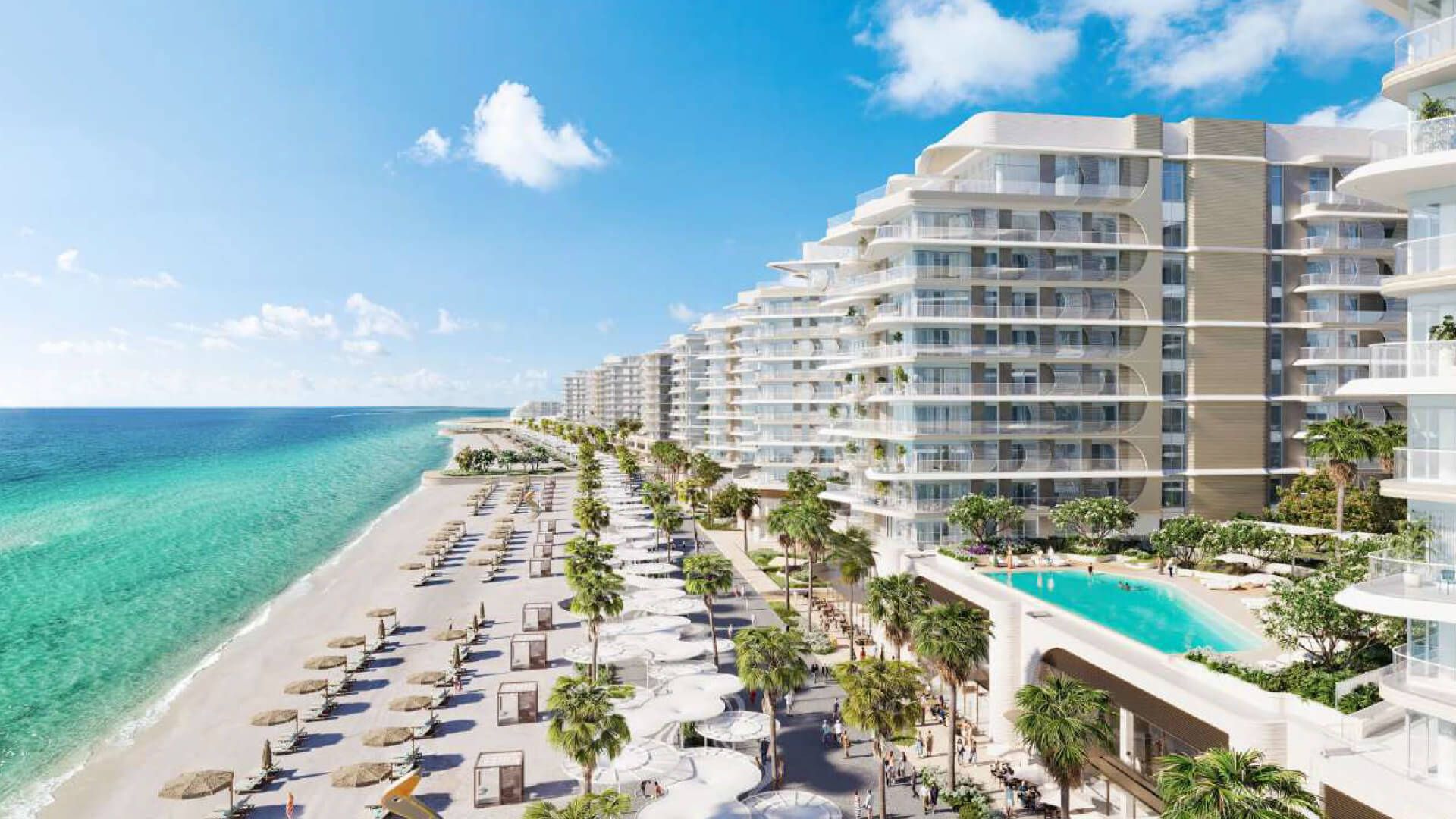
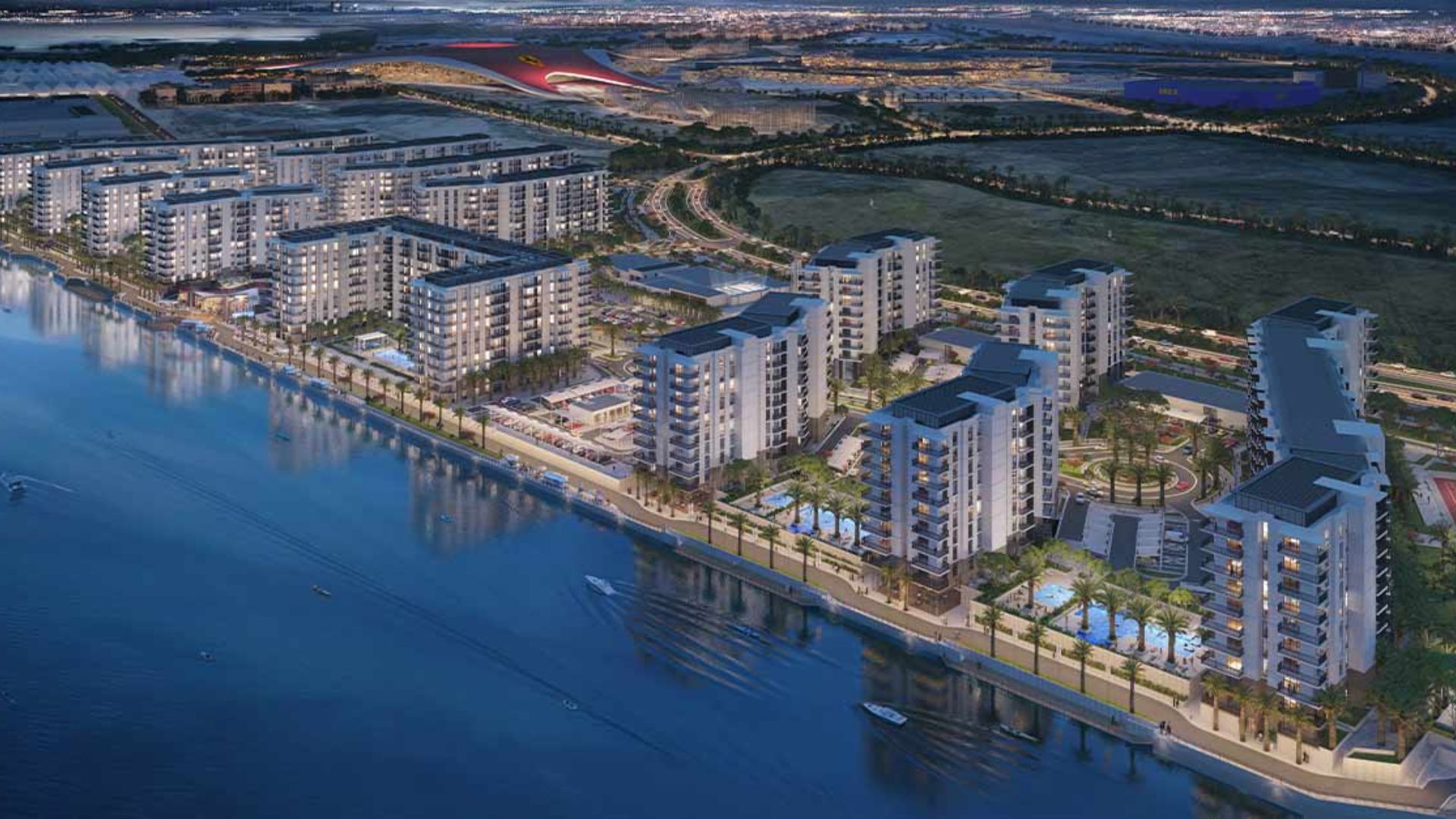
Abu Dhabi rental supply and waterfront apartments

When vacancy continues, landlords slowly begin to compare asking price pride with real income loss.

The Summer Factor

The coming summer period is likely to test this dynamic further.

In many rental cycles, summer introduces:

  • slower tenant movement
  • reduced demand from incoming expats
  • potential temporary departures of residents
  • additional supply from holiday homes returning to long-term rentals

If vacancy periods extend further, landlords will be forced to reconsider the trade-off between holding price and maintaining occupancy.

And when occupancy becomes uncertain, psychology starts to shift faster than pricing models.

The Real Market Signal

The most important insight is not that rents are dropping or holding.

It is how decisions are being made.

A market where landlords prefer vacancy over lower rent is not just a pricing story.

It is a psychological story.

It reflects a moment where expectations have not yet fully adjusted to reality — but behavior is beginning to move in that direction.
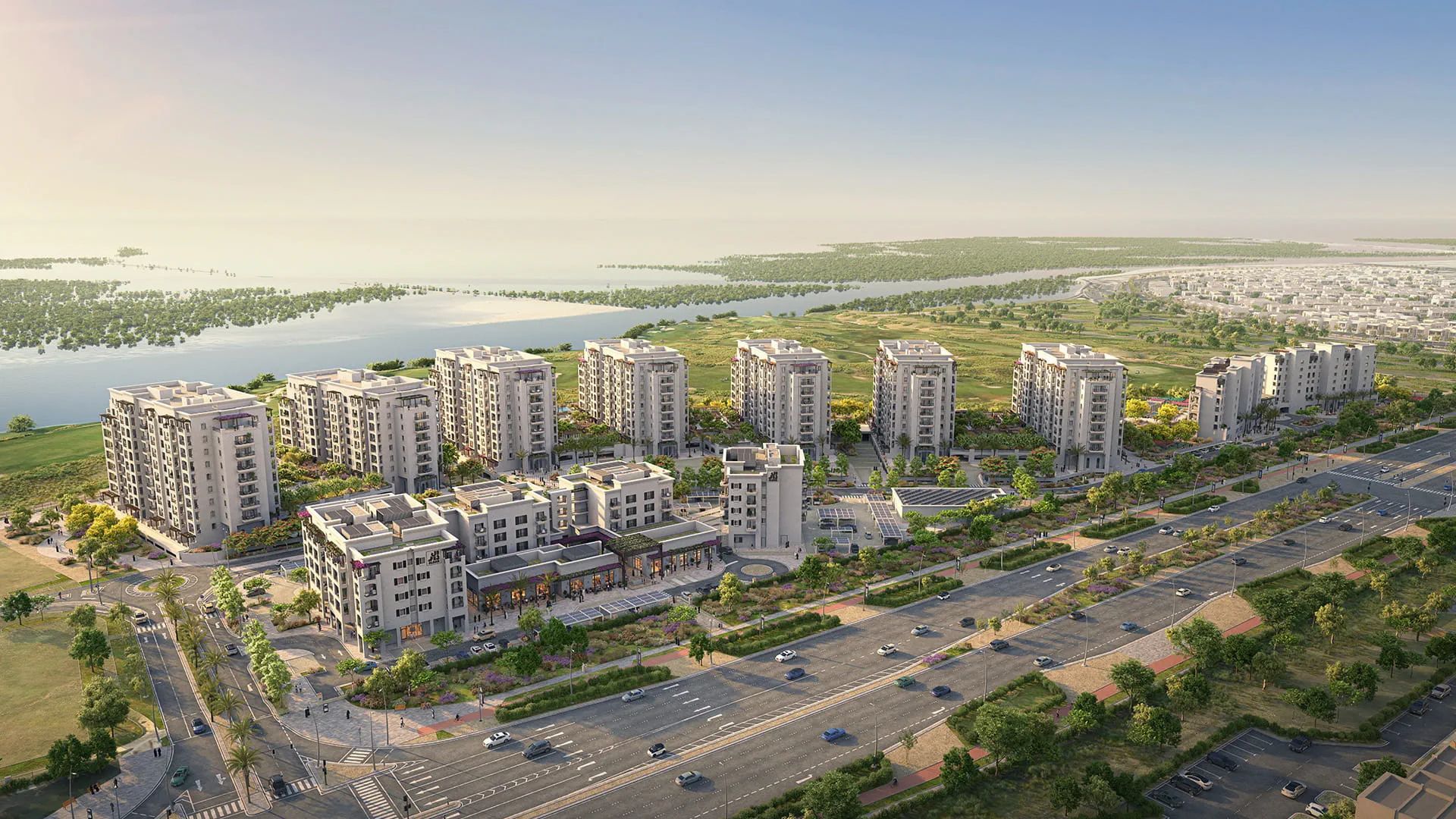
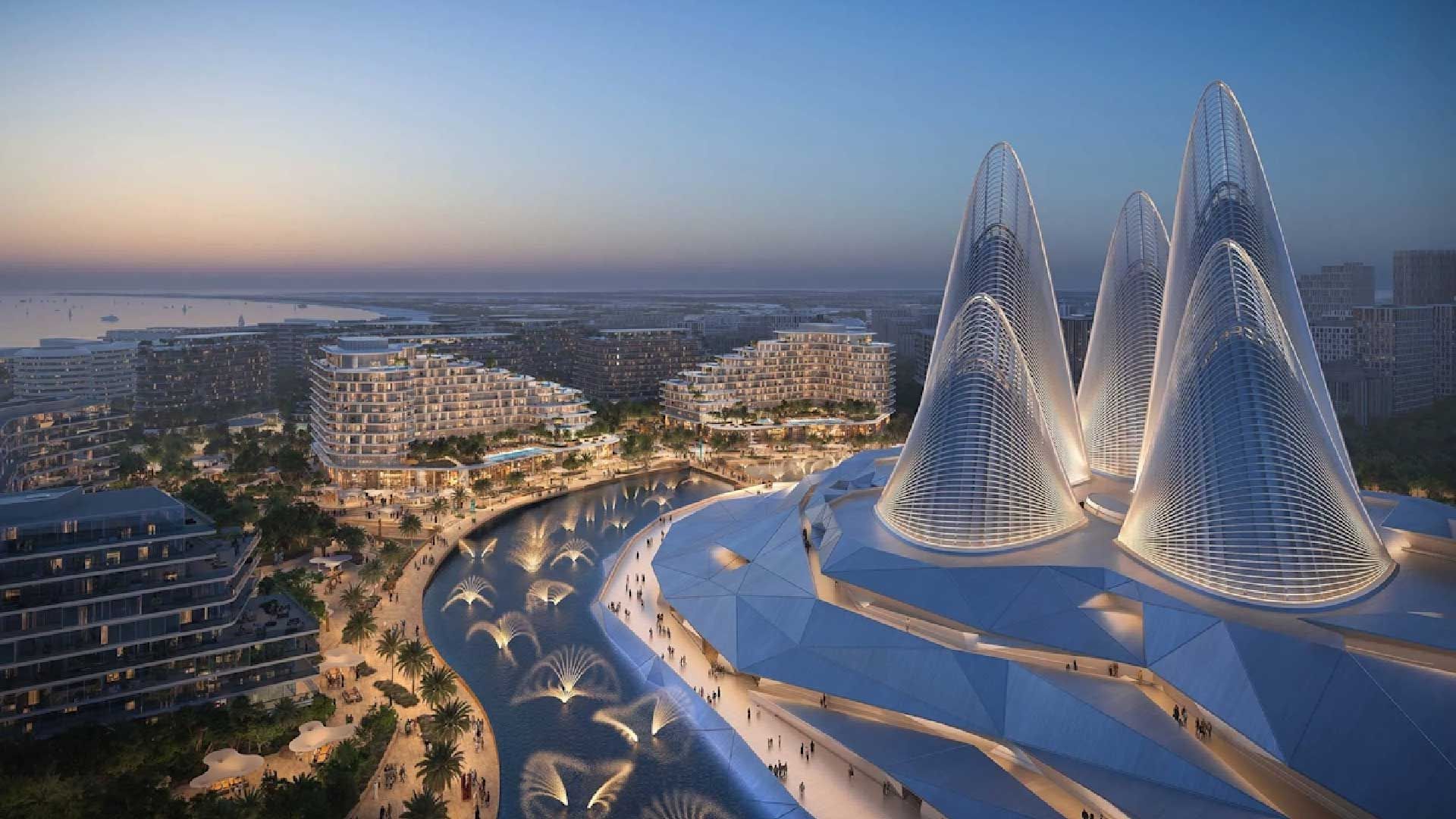
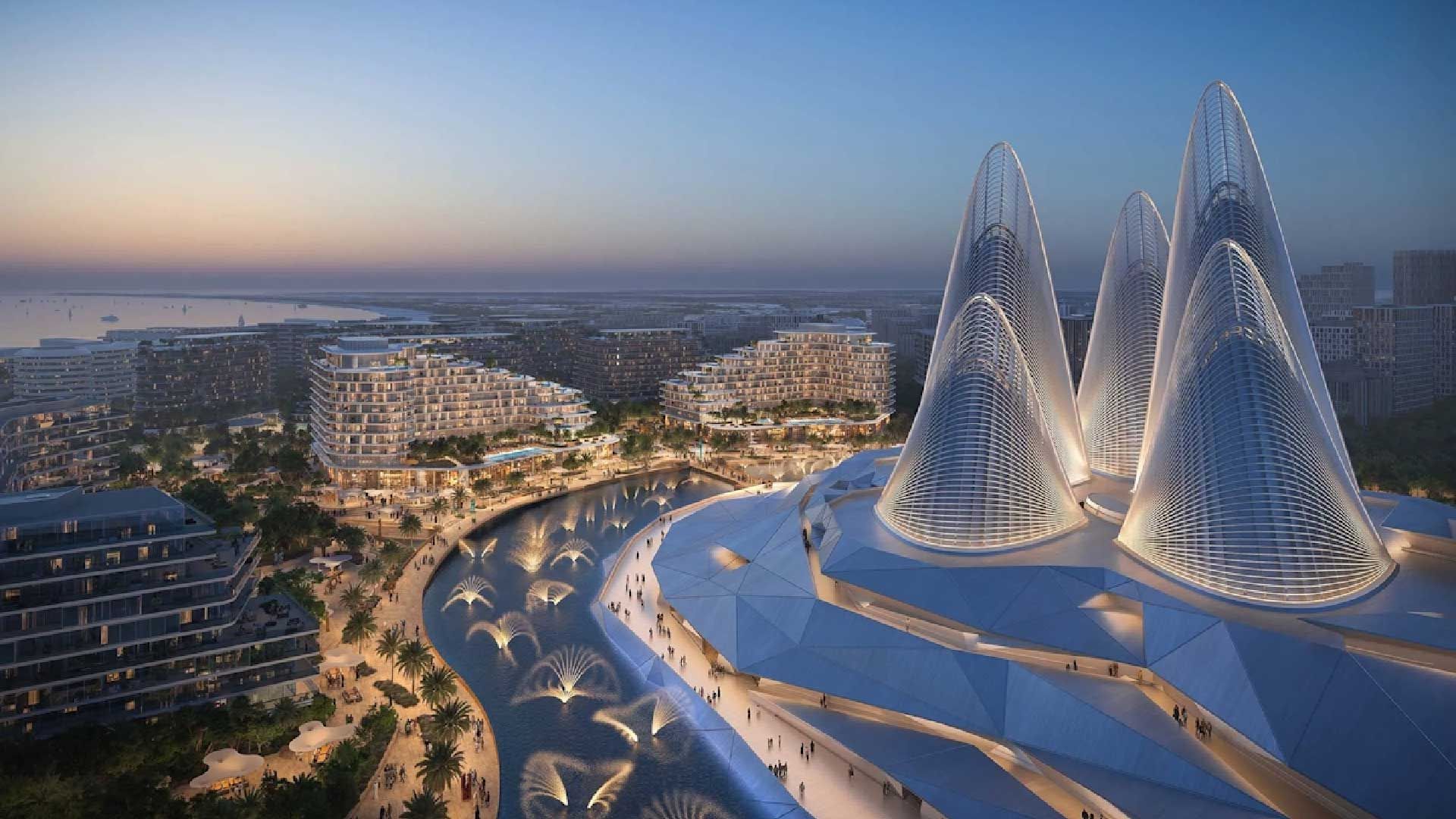
Luxury living in Yas Island Abu Dhabi rental market

The real shift often begins before listing prices change. It starts with slower decisions, longer vacancies, and quieter negotiations.

Final Thought

Markets do not adjust all at once.

They adjust through hesitation first.

Then through negotiation.

Only later through visible price changes.

So, the real question is not whether rents are holding or falling.

When does waiting start feeling expensive?

EstateHub 360

📍 Cloud Suite #126, Yas Mall, Abu Dhabi

📧 hello@estatehub360.com | 📞 +971 50 360 6464

ADM-202402341804 | CN-4844411

Abu Dhabi Real Estate Insight

A Market That Still Moves — But Differently

Real Estate Psychology is becoming one of the most important ways to understand the current Abu Dhabi property market, because one of the most interesting aspects of the current environment is that two realities seem to exist at the same time.

Real Estate Psychology in Abu Dhabi property market
Understanding how confidence, hesitation, and timing are shaping Abu Dhabi real estate decisions.

On one side, the market still shows signs of strength. New launches continue entering the market. Developers remain relatively firm on pricing. Buyers are still committing to projects with attractive payment structures. Long-term investors continue to believe in Abu Dhabi’s future growth story.

On the other side, something feels noticeably different beneath the surface. Conversations are slower. Decision-making feels heavier. Negotiations are becoming more common. Not because people necessarily believe the market is collapsing, but because certainty has weakened. And when certainty weakens, behavior changes.

That is the key point many people miss. A market can still move, still launch, still sell, and still attract capital, while also becoming more emotionally cautious. Movement does not always mean full confidence. Sometimes, movement continues because people are still interested, but they are no longer acting with the same speed or certainty.

Real Estate Psychology and the Confidence Shift in Abu Dhabi

Real estate markets are driven as much by psychology as they are by economics. In strong cycles, confidence creates momentum. People buy quickly because they fear missing opportunities. Sellers hold firmly because they believe prices will continue rising. Investors tolerate risk because future growth feels predictable.

But during uncertain periods, even without a major correction, the emotional dynamic changes. People begin asking different questions: “What if prices soften later?” “What if liquidity becomes harder?” “What if this takes longer than expected?” And once those questions enter the market, speed naturally slows down.

Not because demand disappears, but because conviction becomes conditional. A buyer may still like a project, but they take longer to decide. A seller may still believe in their price, but they become more open to discussion. An investor may still trust Abu Dhabi’s long-term direction, but they become more careful with timing, payment plans, and exit options.

Abu Dhabi investment guidance and property market confidence
Confidence does not disappear overnight. It becomes more selective, more careful, and more dependent on timing.

Why Real Estate Psychology Matters More Than Headlines

This is where I believe many people are misreading the current phase. A weak market and a hesitant market are not the same thing. A weak market usually shows clear stress: falling demand, visible price drops, distressed selling, and a sharp reduction in buyer interest. A hesitant market is different. It still has demand, but the decision-making energy changes.

Right now, Abu Dhabi still has strong structural fundamentals. Government-backed infrastructure investment continues to support long-term confidence. Economic diversification remains a major part of the emirate’s growth story. Strategic capital deployment keeps the city positioned for future expansion. Inventory release also remains more controlled compared to faster-moving markets.

But fundamentals alone do not create immediate momentum. Confidence does. And today, confidence feels more selective than it did a year ago. That does not necessarily mean people are pessimistic. It means they are more careful.

This careful behavior is important because property markets often shift first in behavior, then in numbers. Before prices adjust, people talk differently. Before official data shows a slowdown, buyers negotiate differently. Before visible discounts appear, conversations take longer. This is why psychology matters. It gives early signals before the surface-level market fully changes.

Market Signal What It May Mean
Longer decision cycles Buyers are still interested, but they need more confidence before committing.
More negotiation Sellers may still hold value, but buyer pressure is becoming stronger.
Lower transaction speed Market activity continues, but urgency has reduced compared to stronger phases.
Greater focus on liquidity Investors are paying more attention to exit timing, rental strength, and cash flow.

The Difference Between a Weak Market and a Hesitant One

A hesitant market can look stable from the outside. Listings may still show firm prices. Developers may still launch new projects. Sellers may still speak confidently. But inside real conversations, the tone changes. Buyers ask for more time. Investors compare more options. Tenants become more price-sensitive. Owners begin watching each other more closely.

This does not mean the market is collapsing. It means the market is thinking. And when a market starts thinking more carefully, speed naturally reduces. That is exactly what seems to be happening in Abu Dhabi today.

Uncertainty versus risk in Abu Dhabi property decisions
Uncertainty does not always stop decisions, but it changes how people measure risk.

Why Prices Haven’t Moved Significantly Yet

Many people assume that if confidence weakens, prices should immediately fall. But markets rarely work that way. Especially in Abu Dhabi, where many owners still have the financial capacity to hold.

Some sellers are anchored to previous market highs. Others remain genuinely confident in long-term appreciation. And some investors entering new launches are operating with limited short-term exposure due to low down payment structures. This delays visible price movement.

But it does not eliminate pressure beneath the surface. Instead, pressure starts appearing elsewhere. Longer decision cycles become more common. Negotiations become more frequent. Transaction speed reduces. Buyers focus more on liquidity. Investors pay closer attention to holding costs and rental expectations. Eventually, these behavioral changes begin shaping pricing itself.

Markets do not always change first through price. Often, they change first through confidence, timing, and negotiation behavior.

The Market May Be Stable — But It Is No Longer Comfortable

Perhaps that is the best way to describe the current phase. The market still functions. Deals still happen. Projects still launch. But psychologically, the environment feels different. There is less urgency. Less emotional momentum. Less certainty about short-term direction.

And when confidence becomes fragile, markets become highly sensitive to perception. One geopolitical headline. One policy change. One noticeable pricing adjustment. These things begin to influence behavior much faster than before.

In a confident market, buyers often ignore small concerns because the larger belief is strong. They feel the market will continue upward, so they move quickly. But in a more cautious market, even small doubts can slow decisions. A buyer who would have booked in two days may now take two weeks. An investor who would have accepted a price may now ask for more flexibility. A seller who once refused negotiation may now listen.

Abu Dhabi property decisions during cautious market phases
The same property decision can feel very different when confidence becomes more fragile.

What Happens Next?

If uncertainty gradually fades and confidence returns, Abu Dhabi could stabilize relatively quickly. The emirate still benefits from strong long-term positioning, institutional investment, and controlled development strategies. These are not small advantages. They give the market a strong base.

But if uncertainty continues for an extended period, the current hesitation may evolve into something more structural. Softer rental conditions may start becoming more visible. Inventory pressure may increase. Seller flexibility may become more common. Price recalibration may become easier to notice.

That is a market that slowly adjusts to a different level of confidence. It does not always happen suddenly. It can happen step by step, through conversations, through delayed decisions, through more realistic expectations, and through sellers slowly accepting what buyers are already feeling.

Why This Moment Needs Better Reading

For buyers, this phase is not just about asking whether prices will fall. It is about understanding where value still exists, which projects have real demand, which communities have stronger rental support, and which payment structures are useful without creating future pressure.

For sellers, this phase is not just about holding a price. It is about reading buyer behavior clearly. A firm asking price may still work in the right location with the right asset. But if conversations keep slowing down, the market may already be giving feedback.

For investors, this phase is not just about entering or waiting. It is about knowing whether the current deal is supported by long-term fundamentals, realistic rental assumptions, and enough flexibility if the market takes longer to move.

To understand more about Abu Dhabi as a city and its broader importance, you can explore this overview of Abu Dhabi. For more local property insights and market commentary, visit EstateHub 360.

Abu Dhabi real estate market confidence and investor behavior
In changing markets, clarity matters more than noise. The smartest decisions come from reading both numbers and behavior.

Final Thought

Markets do not always freeze because activity disappears. Sometimes they freeze because conviction weakens. And right now, that may be the more important story unfolding in Abu Dhabi.

The projects are still there. The buyers are still there. The money is still there. But confidence no longer moves with the same certainty it once did.

So perhaps the real question is no longer: “Is the market moving?” But rather: “How much of today’s market is still driven by confidence, and how much is simply driven by the hope that confidence returns?”

This is why the current phase deserves calm observation, not panic. Abu Dhabi remains a serious long-term market with strong ambition, planned growth, and global investor attention. But even strong markets can go through moments where psychology leads the story. The people who understand that early are usually better prepared than those who only react after the numbers become obvious.

📍 EstateHub 360

Cloud Suite #126, Yas Mall, Abu Dhabi

📧 hello@estatehub360.com | 📞 +971 50 360 6464

ADM-202402341804 | CN-4844411
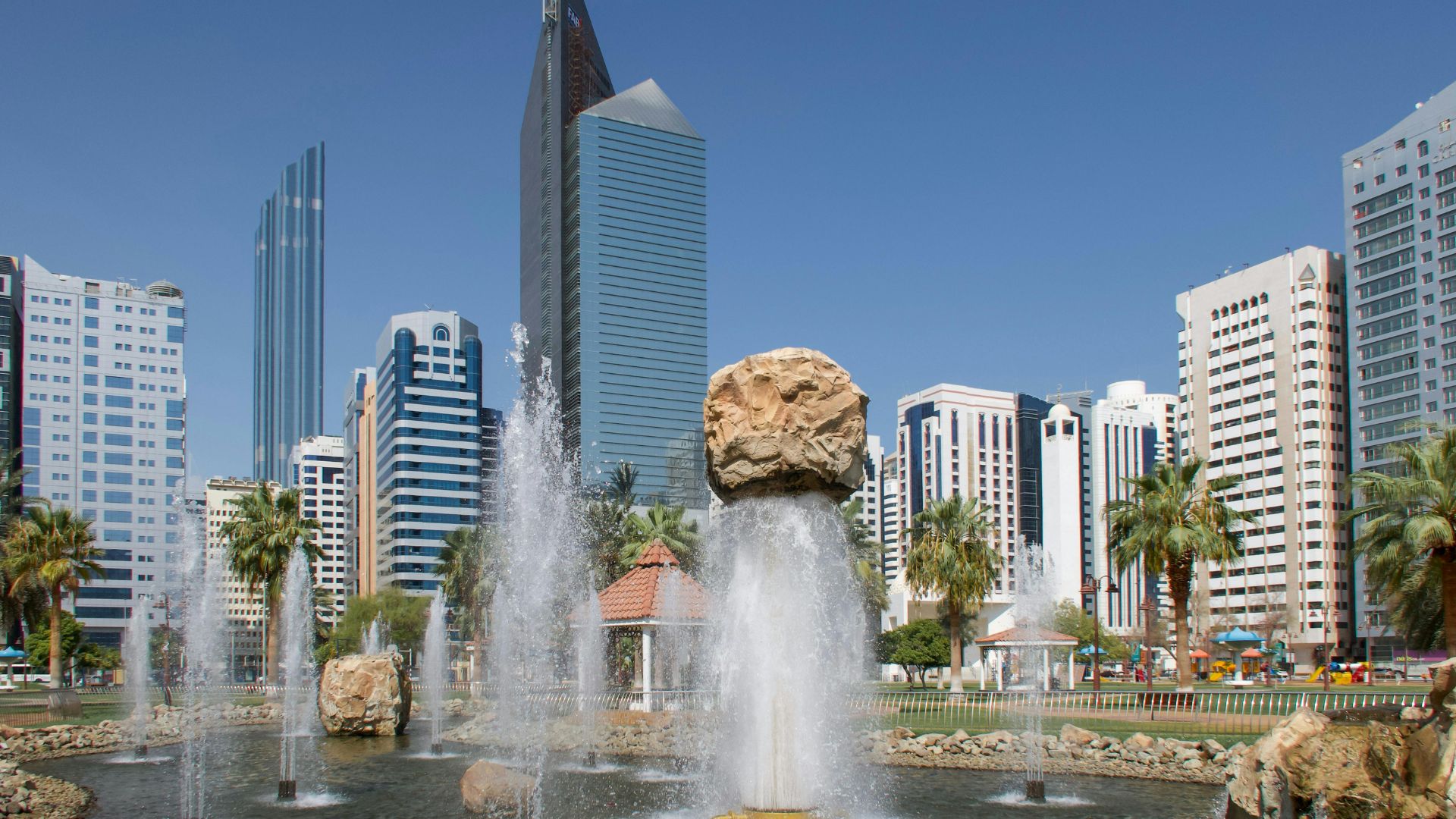
Frequently Asked Questions

Is Abu Dhabi real estate slowing down?

The market is still active, but the decision-making process feels slower and more careful. This suggests hesitation rather than a complete slowdown.

Why does buyer confidence matter in property markets?

Buyer confidence affects how quickly people make decisions. When confidence is strong, buyers act faster. When confidence weakens, they compare more, negotiate more, and wait longer.

Are Abu Dhabi property prices falling now?

Prices have not moved significantly in a visible way across the market, but pressure can first appear through slower transactions, more negotiations, and longer decision cycles.

What should investors watch in this market phase?

Investors should watch rental demand, inventory levels, seller flexibility, payment plans, and how quickly similar properties are moving in the market.

Abu Dhabi Real Estate Insight

The Rental Market Is Speaking First — Are We Listening?

Abu Dhabi rental market

Understanding the quiet signals coming from Abu Dhabi’s rental market before price movement becomes visible.

In the Abu Dhabi rental market, one thing is becoming clear: in most real estate cycles, price doesn’t move first. Rent does. And right now in Abu Dhabi, the rental market is starting to send signals — quietly, but consistently.

Abu Dhabi rental market: rent moves first, price follows

In most real estate cycles, price doesn’t move first.

👉 Rent does.

And right now in Abu Dhabi, the rental market is starting to send signals — quietly, but consistently.

Listings show confidence. Rent reveals pressure.

The Illusion of Stability in the Abu Dhabi rental market

On the surface:

  • Rents may still look stable on listings.
  • Landlords are holding expectations.
  • The market appears balanced.

But underneath, something is shifting.

This is where many people miss the early signal. Asking rents may still look confident, but real conversations between tenants and landlords can tell a more honest story. A property portal shows what an owner wants. A signed rental deal shows what the market accepts.

That difference matters. When asking rents stay firm but tenants are negotiating more, the market is not silent. It is speaking through behavior before it speaks through numbers.

UAE property market outlook

Market shifts often begin below the surface before they appear clearly in public price data.

The Supply Shift No One Talks About

A key dynamic is emerging:

👉 Holiday homes inventory is flowing back into long-term rentals.

Why?

  • Tourism activity has softened.
  • Short-term returns are less predictable.
  • Owners are prioritizing stable income.

This creates a subtle but powerful effect:

👉 Inventory increases — without headlines.

And when supply increases quietly, pressure builds gradually.

This is important because not every supply increase comes through a major new project launch or a loud market announcement. Sometimes, supply grows through smaller owner decisions. A holiday home becomes a yearly rental. A short-term unit returns to the long-term market. An owner who once waited for tourist demand now prefers steady income.

These changes may look small alone, but together they can create more options for tenants. And when tenants have more options, landlords usually become more flexible.

Abu Dhabi rental homes and lifestyle

More available rental choices can slowly shift negotiation power toward tenants.

Soft Demand Meets Rising Supply

At the same time:

  • Fewer new tenants entering.
  • Some residents reconsidering their stay.
  • More cautious spending behavior.

👉 Demand softens… while supply increases.

This is where imbalance begins.

It may not look dramatic at first. There may not be a sudden fall or a visible shock. But real estate often changes through small decisions. Tenants delay upgrades. Families compare more buildings. Residents ask for better payment terms. New tenants take longer to close. Landlords who once waited confidently may now prefer faster occupancy.

That is how a quiet imbalance forms. It is not always loud. It is not always shown immediately in asking prices. But it can be felt inside the actual rental negotiation.

The First Behavioral Shift — Flexibility

Before prices drop, behavior changes.

And in the rental market, that’s already visible:

  • More flexible payment terms, including more cheques and negotiation on structure.
  • Landlords prioritizing occupancy over maximum rent.
  • Faster responses, more willingness to close.

And most importantly:

👉 Deals are closing below listing prices.

This is one of the strongest signals to watch. A listing can remain unchanged online, but the real accepted rent may already be lower. That means the visible market and the actual market are no longer saying the same thing.

When landlords begin to value occupancy more than the highest possible rent, the market has started adjusting. Not through panic, but through practical decisions.

Why Abu Dhabi rental market pressure matters for investors

Why is this happening?

Because holding a vacant unit is no longer neutral.

  • Service charges continue.
  • Mortgage or payment plans continue.
  • Cost of living increases.

👉 And liquidity starts to matter more than price.

This is the same pattern highlighted in the sales market — now appearing in rentals.

For landlords, vacancy is not just an empty space. It is a running cost. Every month without a tenant creates pressure. This is why some owners become more open to negotiation. A slightly lower rent with a reliable tenant can feel safer than waiting for a higher number that may not come quickly.

Abu Dhabi property investment and rental yield

Rental income directly shapes investor confidence and property value expectations.

If This Trend Continues

If this trend continues, the sequence is typically:

  • Rental negotiations increase.
  • Effective rents, real rents and not advertised rents, begin to soften.
  • Rental yields compress.
  • Property prices begin to adjust with a lagging effect.

👉 Rent moves first. Price follows.

This does not always mean a crash. It can simply mean recalibration. A recalibration happens when landlords, sellers, buyers, and tenants slowly adjust their expectations to match the real market. The market becomes more honest. The gap between asking and closing becomes smaller. Decisions become more grounded.

Simple way to read the signal:

If rent is negotiated down, investor returns reduce. If investor returns reduce, buyers become more cautious. If buyers become more cautious, property prices may face pressure later.

The Bigger Impact on the Real Estate Market

This is where it connects back to the broader narrative:

  • Lower rents → lower investor returns.
  • Lower returns → lower willingness to pay premium prices.
  • More flexibility → more transactions below expectations.

And gradually:

👉 The market recalibrates.

Not through a crash — but through aligned expectations.

Most people wait for price drops to confirm a shift. But by then, the move has already started.

Because in real estate:

  • 👉 Listings show confidence.
  • 👉 Rent reveals pressure.

So the question is:

Are we still looking at asking rents… or starting to pay attention to what tenants are actually agreeing to?

That question is becoming more important for anyone studying Abu Dhabi property. Whether someone is a landlord, tenant, seller, buyer, or investor, rental behavior gives early clues. It shows what people can afford, what they are willing to accept, and how much pressure exists behind the scenes.

To explore more property market insights, visit EstateHub 360. For a wider location reference, you can also read about Abu Dhabi.

Abu Dhabi real estate market

The rental market often gives the first practical signal before broader price movement becomes clear.

Rental Market Signal Table

Market Signal What It Suggests
More flexible payment terms Landlords may be prioritizing occupancy over maximum rent.
Holiday homes returning to long-term rentals Rental supply may be increasing quietly without major headlines.
Deals closing below listing rent Effective rents may already be softer than advertised rents.
Tenants negotiating harder Demand may be cautious, selective, or price-sensitive.
Lower rental yields Investor confidence and property pricing expectations may adjust later.

Final Thoughts

The rental market is not always loud. It does not always announce change with sharp numbers or dramatic headlines. Sometimes, it speaks through small shifts: a faster reply, a lower accepted offer, more cheques, a vacant unit, or a landlord choosing certainty over ambition.

That is why this moment matters. If rental behavior continues to soften, the wider market may need to listen. Rent moves first. Price follows. And those who notice the early signals usually understand the market before everyone else starts reacting.

📍 EstateHub 360

Cloud Suite #126, Yas Mall, Abu Dhabi

📧 hello@estatehub360.com | 📞 +971 50 360 6464

ADM-202402341804 | CN-4844411

Frequently Asked Questions

Why does rent move before property prices?

Rent reacts faster because tenants make monthly decisions based on budget, lifestyle, and available options. Property prices can stay firm on listings for longer, but rental negotiations can reveal pressure earlier.

What does effective rent mean?

Effective rent means the real rent agreed after negotiation. It can be different from the advertised rent shown on listings.

Why are holiday homes moving into long-term rentals?

Some owners may prefer stable income when short-term returns become less predictable. This can quietly increase long-term rental supply.

Can rental softness affect property prices?

Yes. If rents soften, rental yields may reduce. When investor returns reduce, buyers may become more cautious about paying premium prices.

Is Abu Dhabi’s rental market crashing?

The message is not about a crash. It is about recalibration, where landlords, tenants, buyers, and sellers slowly adjust expectations based on real market behavior.

Abu Dhabi Real Estate Insight

Abu Dhabi Property Prices: Are You Watching the Right Market ?

Abu Dhabi property prices and market behaviour

A look beyond visible listings to understand what Abu Dhabi property prices may or may not be revealing.

Are You Watching the Right Market? In Abu Dhabi, Abu Dhabi property prices may look steady on the surface, but the real market story is often unfolding somewhere less visible. There’s a common assumption in real estate: 👉 What you see is what the market is. Listings are visible. Prices are public. Portals are constantly updated. And yet… that’s often not where the real market lives. Especially in a moment like the one we’re seeing in Abu Dhabi.

The Market Looks Stable… Until You Step Inside It Abu Dhabi property prices

On the surface, the picture seems clear.

Sellers are holding their prices.

New projects are launching.

Developers are not adjusting publicly.

Even today, there are buyers stepping into the market — some of them confidently committing to newly launched projects, encouraged by relatively low entry points, with down payments as low as 5%.

From the outside, that creates a sense of resilience.

👉 “If transactions are happening and prices are holding, the market must be stable.”

But that’s only part of the story.

Visible Abu Dhabi market and investment activity

The visible market can look stable even when underlying transaction behaviour is beginning to shift.

The Layer Most People Don’t See Abu Dhabi property prices

Because beneath that surface, a different dynamic is forming.

Transaction volumes are lower.

Decisions take longer.

And most importantly — not all sellers are behaving the same way.

There are, in reality, two markets coexisting:

1. The Visible Market

  • Sellers holding firm
  • Listings unchanged
  • Developers maintaining pricing

2. The Quiet Market

  • Select distress deals emerging
  • Sellers under pressure becoming negotiable
  • Transactions closing below expectations

And the second one is not immediately visible.

Quiet real estate market beneath public pricing

Not every market signal appears on portals. Some of the most meaningful ones happen inside negotiations.

The Rise of Quiet Distress

Not all sellers are in the same position.

Long-term investors, especially those who entered the market earlier and recognize its long-term potential, are largely holding. They have the capacity — and the confidence — to wait.

Some are even moving in the opposite direction.

👉 They are buying.

Particularly in new launches, where structured payment plans and low initial capital requirements create a perception of lower risk and long-term positioning.

But alongside them, another group is beginning to emerge.

Sellers facing financial pressure.

Payment plans approaching.

Liquidity needs increasing.

Vacancies extending longer than expected.

And for this group, the question shifts.

From:
👉 “How much can I get?”
to
👉 “How quickly can I exit?”

This is where distress begins to surface…., selectively.

Where the Real Market Starts to Move

This is where the gap between asking price and closing price becomes critical.

Because publicly:

  • Prices appear unchanged
  • Listings remain optimistic

But privately:

  • Sellers are negotiating
  • Deals are closing below listing levels
  • In some cases, even at the original purchase prices

And this is the part of the market most people don’t see. Because it doesn’t appear on portals. It happens in conversations.

Negotiated market movement and private real estate conversations

The real movement often begins in private discussions, long before it becomes visible in public asking prices.

Low Volume, High Signal

Another important indicator right now is transaction volume.

Deals are still happening — but at a slower pace.

And that matters.

Because in real estate:

👉 Price is a lagging indicator
👉 Volume and speed are leading indicators

When volume drops and speed slows:

  • Pressure begins to build
  • Flexibility starts to appear
  • Market direction begins to shift

Not through headlines — but through behavior.

Two Types of Conviction

What makes this phase particularly interesting is the contrast in conviction.

On one side:

  • Long-term investors holding or even buying
  • Developers maintaining pricing
  • Confidence in future fundamentals

On the other side:

  • Sellers under pressure adjusting expectations
  • Distress deals appearing quietly
  • Negotiation is becoming more common

This creates a market that feels stable… but is internally rebalancing.

What the Public Sees What the Negotiated Market May Be Showing
Listings remain visible and firm Selected sellers may already be flexible in private
Projects continue to launch Absorption speed may be slower than before
Prices look stable Closing prices may be softer in certain deals
Public sentiment appears resilient Behaviour may already be shifting under the surface
Early market signals and property negotiation in Abu Dhabi

Watching the right indicators matters, because early changes often appear in behaviour before they appear in headlines.

The Risk of Watching the Wrong Signals

If you’re only watching:

  • Listing prices
  • New launch announcements
  • Public sentiment

You might conclude:

👉 “Nothing has changed.”

But if you’re closer to actual transactions, you may notice:

👉 “Something is already adjusting.”

And that difference matters.

Because by the time price corrections become visible…

👉 The early signals — and often the best opportunities — have already passed.

For broader context about the city, see Abu Dhabi. For local market commentary and deeper analysis, visit EstateHub 360.

Final Thought

Real estate markets don’t shift when prices change.

They shift when behavior changes. And right now, behavior is no longer uniform.

Some are holding. Some are buying. Some are quietly exiting.

So the real question is:

Are you watching the market that’s being advertised… or the one that’s actually being negotiated?

📍 EstateHub 360
Cloud Suite #126, Yas Mall, Abu Dhabi

📧 hello@estatehub360.com | 📞 +971 50 360 6464.

ADM-202402341804 | CN-4844411

Abu Dhabi Market Insight

When Prices Hold but Momentum Slows: What the Market Is Quietly Telling Us

Abu Dhabi real estate slowdown market outlook

A closer look at why price stability and slower momentum can exist at the same time in Abu Dhabi.

There’s an interesting dynamic unfolding in Abu Dhabi right now, and the phrase Abu Dhabi real estate slowdown captures part of it — but not all of it. New projects are still launching. Prices are holding. And importantly — transactions are still happening. But not at the same pace. At first glance, this can feel contradictory. If uncertainty is present, why aren’t prices adjusting? And if prices are stable, why has activity slowed? The answer often lies not in the numbers — but in behavior.

The Illusion of Stability Abu Dhabi real estate slowdown

When prices hold, it creates a sense of reassurance.

It suggests control.

It suggests resilience.

But price, in most real estate cycles, is not the first thing to move.

What shifts first is momentum.

Fewer transactions.

Longer decision times.

More comparisons.

And that’s exactly what we are beginning to see.

Not a lack of demand —

but a change in how that demand behaves.

Abu Dhabi market stability and evolving demand

Price can stay steady for a while even when the pace of decisions begins to slow.

From Urgency to Selectivity Abu Dhabi real estate slowdown

Over the past 18 months, much of the market was driven by momentum.

Buyers moved quickly.

Opportunities were taken early.

Decisions were often driven by fear of missing out.

Today, that urgency feels different.

Buyers are still present — but they are more deliberate.

They take longer.

They analyze more.

They negotiate quietly.

Which creates a subtle but important shift:

  • Demand hasn’t disappeared
  • It has become more selective

And selective demand changes the way markets move.

Why Prices Haven’t Moved (Yet)

Developers continuing to launch at similar price levels is not accidental.

It reflects a calculated position.

As long as:

  • Units continue to sell
  • Payment plans remain attractive
  • Confidence hasn’t fully broken

There is little incentive to adjust pricing.

Because from their perspective:

👉 The market is still absorbing

But absorption alone doesn’t tell the full story.

It matters how fast that absorption is happening.

Reem Hills property investment and Abu Dhabi demand shift

Absorption can continue while the speed of the market starts quietly changing.

The Signal Most People Miss

In moments like this, the most important indicator is not price.

It’s speed.

How quickly units are selling.

How long listings remain active.

How many conversations convert into transactions.

Because when speed slows:

👉 Pressure begins to build

A Market Dividing into Two Speeds

Another pattern begins to emerge in these phases.

Not all properties behave the same way.

Stronger projects continue to attract buyers.

Average inventory takes longer to move.

Secondary market properties begin to feel more resistance.

This creates a two-speed market:

  • A primary market that appears stable
  • A secondary market that is becoming more flexible

And within that gap, pricing pressure begins to form.

Yas Island property investment and two-speed market

Some projects keep attracting attention while average inventory takes longer to convert.

The Hidden Tension: Price vs Time

This is where the real shift begins.

For sellers and developers, the question slowly changes from:

👉 “Can I get this price?”
to
👉 “How long can I hold it?”

Because time introduces cost.

Payment plans continue.

Inventory accumulates.

Opportunities pass.

And in real estate, holding is never neutral.

It carries risk.

What Happens Next

Markets like this don’t turn suddenly.

They evolve through small decisions:

  • A developer introduces subtle incentives
  • A seller becomes more negotiable
  • A buyer successfully closes slightly below expectation

Individually, these changes are barely noticeable. Collectively, they reshape the market. And over time, that’s what leads to adjustment.

Not a break — but a recalibration.

What Looks Stable What May Actually Be Changing
Prices are holding Buyers are taking longer and comparing more carefully
Projects are still launching Developers may be watching absorption speed more closely
Transactions are still happening The pace is slower and conversion is becoming harder
Confidence seems intact Flexibility may already be building quietly beneath the surface

For a broader understanding of the city and its context, visit Abu Dhabi on Wikipedia. For more local market insight and property-focused analysis, visit EstateHub 360.

Invest in Abu Dhabi property market timing

The shift usually begins with behavior first, and pricing only reflects it later.

Final Thought

What we are seeing today is not a contradiction.

It is a transition.

A market where prices are still holding — but conviction is being tested.

Because real estate doesn’t move when listings change.

It moves when behavior changes.

And perhaps that’s the more relevant question right now:

Are today’s buyers confirming the strength of the market…

or quietly testing how much flexibility it can absorb?

📍 EstateHub 360
Cloud Suite #126, Yas Mall, Abu Dhabi

📧 hello@estatehub360.com | 📞 +971 50 360 6464.

ADM-202402341804 | CN-4844411

Frequently Asked Questions

Why can prices hold even when market momentum slows?

Because price is often not the first thing to move in a real estate cycle. Behavior, speed, and decision-making usually shift first.

What does selective demand mean in a property market?

It means buyers are still active, but they are more careful, more analytical, and less driven by urgency than before.

Why is speed such an important signal?

Because slower conversion, longer listing periods, and reduced urgency often reveal pressure earlier than price changes do.

What is a two-speed market?

It is a market where stronger projects continue to attract buyers while average or secondary inventory takes longer to move and becomes more flexible.

Abu Dhabi Real Estate Insights

Why Sellers Resist Until They Can’t — The Moment Distress Becomes Visible

seller behavior real estate in Abu Dhabi

Understanding how pressure builds quietly before the market visibly adjusts.

One of the most misunderstood aspects of real estate markets is not pricing, supply, or demand. It’s seller behavior real estate. Because markets don’t adjust the moment conditions change. They adjust when people do. And right now, in Abu Dhabi, we are in that subtle in-between phase — where pressure is building, but decisions haven’t fully caught up yet. From the outside, it may look like sellers and landlords are simply holding firm on their prices. But underneath that, something more complex is happening.

The First Phase: Denial (Holding the Line) seller behavior real estate

At the beginning of any uncertain period, most market participants don’t react immediately.

They hold.

Sellers keep asking prices unchanged, landlords maintain current rental levels and expectations remain anchored to recent peaks.

And in many cases, this is understandable.

After a prolonged period of growth, both sale prices and rents become more than just numbers — they become reference points. Adjusting them feels like giving something up.

So instead, the market pauses.

Listings stay firm, rents remain unchanged, negotiations are limited.

This is not distress. This is resistance.

Abu Dhabi property market

The first phase is usually not panic. It is resistance.

The Second Phase: Stress (The Quiet Shift) seller behavior real estate

But time introduces pressure and pressure rarely announces itself loudly. Payment plans continue, property handovers approach and vacant units take longer to fill because fewer new residents enter the market.

And gradually, another layer begins to form — particularly on the rental side.

If uncertainty persists, some residents may start reconsidering their plans, especially ahead of the summer period. Even a modest outflow can increase rental inventory.

At the same time, fewer incoming tenants mean less competition for available units.

This is where the dynamic starts to shift. Not visibly — but behaviorally.

Landlords begin to notice:

  • More inquiries without conversion – because the tenants are checking the if the market is giving in
  • Longer vacancy periods – especially for the holiday homes
  • Increased negotiation from tenants who are looking for lower rental prices, either to upgrade or move back into communities that became unaffordable when the rents went up.

And just like sellers, their internal dialogue changes:

“Should I wait… or adjust?”

This is the stage where distress begins to build — but it’s still not obvious, because externally, prices may not have moved yet.

But underneath:

  • “Firm rent” becomes “slightly negotiable”
  • Incentives quietly appear (flexible payments, added benefits)
  • Sellers become more responsive to offers

The market is starting to move — quietly.

Abu Dhabi property decisions

The second phase begins under the surface, before the numbers visibly catch up.

The Third Phase: Decision (When Occupancy and Liquidity Take Priority)

Eventually, pressure reaches a point where decisions can no longer be delayed and this is where the shift becomes visible.

For sellers, the focus moves from maximizing price to securing a deal.

For landlords, the shift is even more immediate.

👉 From achieving a certain rent
to
👉 ensuring occupancy

Because an empty unit is not a neutral position — it’s a cost.

At this stage, landlords adjust rents to secure tenants, sellers accept offers they previously rejected and deals start closing at more realistic levels

And this is where the connection between the rental and sales market becomes clear.

Because historically, when rents begin to soften:

👉 Property prices tend to follow — not instantly, but directionally

Real estate deals and negotiation

This is the point where owners stop holding the line and start making decisions.

Why Most People Miss This Moment

The common assumption is that opportunities appear when prices visibly drop.

But in reality, the most important shift happens earlier.

During the transition from:

👉 resistance
to
👉 flexibility

And that transition is subtle. There are no headlines and no clear turning point.

Just small behavioral changes:

  • A landlord accepting a slightly lower rent
  • A seller entertaining an offer they would have rejected before
  • A deal happening quietly below asking price

By the time the shift becomes obvious, much of the opportunity has already been absorbed.

What This Means in Today’s Market

In Abu Dhabi today, the market appears to be moving between the first and second phases.

Prices — both sale and rental — are still holding but pressure is building beneath the surface.

If this continues:

Possible Next Step What It Could Mean
Rental inventory may increase More choice for tenants and slower decision-making for landlords
Landlords may prioritize occupancy over price Higher flexibility and better negotiation conditions
Rents may begin to adjust Early signal that the market is moving into a new phase
Property prices may follow that direction over time Sales market may respond after rental softness becomes clearer

Not because of weakness, but because of changing priorities.

For local real estate insights, visit EstateHub 360.

Abu Dhabi real estate market movement

The market often changes quietly first, then visibly later.

Final Thought

Real estate markets don’t move when conditions change. They move when people do. And people don’t change instantly: they resist, they feel pressure and then they adapt.

In both the sales and rental markets, that process is already beginning.

The question is not whether the market will adjust.

It’s whether the adjustment will be recognized early… or only once it becomes obvious.

Understanding this cycle is less about predicting the market — and more about recognizing where we stand within it.

Because the difference between resistance and decision is where most opportunities are either missed… or captured.

📍 EstateHub 360
Cloud Suite #126, Yas Mall, Abu Dhabi

📧 hello@estatehub360.com | 📞 +971 50 360 6464

ADM-202402341804 | CN-4844411

Frequently Asked Questions

Why do sellers hold prices even when the market changes?

Because expectations are often anchored to recent peak values. Owners usually adjust only after time and pressure begin changing their priorities.

Why is the rental market important in this cycle?

Rental shifts often appear earlier because vacancy carries an immediate cost, making landlords react faster than sellers.

What does a quiet market shift look like?

It often appears through small signs like longer vacancies, more negotiation, flexible terms, and deals happening below asking price.

Does softer rent affect sale prices?

Not instantly, but historically it can influence the direction of sale prices over time.

Abu Dhabi Property Insights

Abu Dhabi Market Slowdown: Why the Next 90 Days Could Change Everything

Abu Dhabi market slowdown property trends

The Abu Dhabi market slowdown is entering a critical phase that could define how the property market behaves over the next 90 days.

The 90-Day Window: Why the Next Two Months Could Define Abu Dhabi’s Property Market

There are moments in real estate when nothing seems to happen — and yet, everything is quietly shifting beneath the surface. That is where the market in Abu Dhabi finds itself today. Transactions have slowed. Conversations have become more cautious. Buyers are taking their time, sellers are holding their ground, and landlords are waiting to see how demand evolves. On the surface, it may feel like a pause. But in reality, it is something more nuanced — a period of collective hesitation. And like most phases driven by uncertainty, it comes with a natural time limit. What we are beginning to observe is what could be described as a “holding window” — a period during which most market participants are able, both financially and psychologically, to maintain their current positions. In Abu Dhabi today, that window appears to be around two to three months. We are already partway through it.

How Market Behavior Starts to Shift

At the beginning of such cycles, holding feels relatively easy. There is still confidence that conditions will stabilize quickly. Sellers remain anchored to recent price peaks, landlords keep rents unchanged, and buyers continue to observe without committing. Activity does not disappear — it simply moves from transactions to conversations. But as time passes, the dynamics begin to evolve. Financial obligations do not pause with sentiment. Payment plan deadlines approach. Property handovers draw closer. Vacant units, if left unoccupied, begin to weigh on landlords. At the same time, the broader environment adds another layer of pressure. The cost of living is rising, driven in part by higher oil prices and ongoing supply chain disruptions. This, in turn, affects how both residents and investors make decisions.

Demand vs Supply Reality

Demand, which had been a strong driver over the past two years, is no longer accelerating at the same pace. Fewer new residents are entering the market, and some existing residents are reconsidering their plans in light of regional uncertainty. Meanwhile, new inventory continues to move toward completion, particularly as handovers approach later in the year. Individually, none of these factors are dramatic. Together, they begin to shift the balance.

Where the Abu Dhabi market slowdown Becomes Visible

This is typically the stage where a market moves from waiting to adjusting — not abruptly, but gradually. Sellers become more open to negotiation. Landlords begin to prioritize occupancy over ambition. Investors who once focused on maximizing returns start thinking more carefully about liquidity and cash flow. It is in these subtle behavioral changes that a price correction begins.

Correction vs Crash

It is also important to distinguish this from a market crash. A true downturn of that scale would require deeper structural stress — significant increases in interest rates, widespread forced selling, severe drops in rental demand, or meaningful constraints in liquidity. At present, none of these conditions are strongly evident. What we are seeing instead is a market recalibrating after a period of rapid growth.

What Happens Next?

Once conditions will stabilize, the recovery will be both swift and decisive. Demand will return, investor confidence will improve, and the market will regain momentum. If regional uncertainty begins to ease, there is a strong case for a relatively quick stabilization. Abu Dhabi’s economic structure — supported by energy revenues, long-term infrastructure investment, and controlled real estate supply — provides a level of resilience that can support recovery once confidence returns.

Why This Phase Matters

For now, however, the market remains in a phase defined less by action and more by observation. And that, in itself, is meaningful. Because real estate cycles are rarely shaped by dramatic turning points. More often, they evolve through a series of small decisions — a negotiation here, a price adjustment there, a shift in expectations that gradually becomes a new reality.

The Next Two Months

The next two months are likely to be important not because of sudden change, but because of the accumulation of these small shifts. For investors, this is not necessarily a moment to react quickly, but rather to pay closer attention. Opportunities in markets like this are rarely obvious. They tend to emerge quietly — in timing, in flexibility, and in understanding where pressure is beginning to build.

In that sense, the question is not whether the market will move. It is whether you will recognize the direction early enough to move with it.

📍 EstateHub 360

Cloud Suite #126, Yas Mall, Abu Dhabi

📧 hello@estatehub360.com | 📞 +971 50 360 6464

ADM-202402341804 | CN-4844411

Abu Dhabi Real Estate Insight

Abu Dhabi Price Trends: The Market Isn’t Falling… It’s Waiting

Image

A calm market can still be a meaningful market. Abu Dhabi price trends quietly reveal.

Abu Dhabi price trends are at the heart of this conversation, and the message below keeps your client’s original wording intact while presenting it in a clean, mobile-friendly blog layout.

A Market on Pause: Is This the Start of a Correction — or Just a Familiar Cycle?

Right now, the real estate market in Abu Dhabi feels… quiet.
Not weak. Not collapsing. Just paused.
Transactions have slowed. Buyers are waiting. Sellers and landlords are holding their prices. And many residents are taking a step back, watching how the regional situation unfolds.
It’s a standoff.

Image 1

The market may feel still, but stillness in real estate often means people are waiting for the next clear signal.

When Confidence Pauses, So Does the Market

What’s happening today is less about numbers — and more about confidence.
For years, the UAE has positioned itself as one of the safest and most stable places globally. That perception played a major role in attracting investors and residents.
But uncertainty in the region has challenged that narrative, even if only temporarily.

  • Fewer new residents are entering the market
  • Some existing residents are considering leaving
  • Demand growth is slowing significantly

At the same time, new handovers are approaching toward the end of the year, which means supply is increasing just as demand is softening.
This is where pressure begins to build — not suddenly, but gradually.

Abu Dhabi property supply and demand shift

When confidence softens and supply rises, the pressure usually builds slowly before it becomes visible in pricing.

The Cost of Living Factor

Another layer is quietly forming in the background.

  • Oil prices are rising
  • Supply chain disruptions are increasing costs
  • The overall cost of living is expected to go up

In response, banks may consider tightening conditions to control inflation, even if aggressive rate hikes remain unlikely.
What does this mean in practical terms?

  • 👉 Less disposable income
  • 👉 More cautious buyers
  • 👉 Slower decision-making

And again… the market slows.

A Familiar Feeling: The COVID Parallel

If this situation feels familiar, it’s because we’ve seen something similar before.
During the early phase of COVID-19 pandemic, the market didn’t crash immediately.
It paused.

  • Transactions slowed
  • Movement stopped
  • People waited
  • Uncertainty dominated

Prices didn’t collapse overnight.
They adjusted gradually as reality set in.
Then something interesting happened.
Once visibility improved and confidence returned, the UAE market didn’t just recover — it accelerated quickly.

Sometimes the first sign of a shift is not a fall. It is a pause that quietly changes how everyone behaves.

Abu Dhabi property decisions during uncertain market conditions

In uncertain phases, decisions slow down first. Pricing often reacts later.

Are We Entering a Similar Pattern?

Today’s situation shares some similarities:

  • Uncertainty is high
  • Investor sentiment fluctuates based on political developments
  • Markets are volatile
  • Yet daily life still feels relatively stable

It’s that same “everything is normal… but not quite” feeling.
The key difference is that today’s market is coming off 18 months of strong price growth, not a slowdown.
Which means what we’re likely to see first is not a crash — but a price correction.

What Could Trigger the Adjustment?

At the moment, most participants can still hold their position.
But that won’t last indefinitely.
Over the next months, several pressures may start to align:

  • Payment plan deadlines approaching
  • Property handovers requiring final payments
  • Vacant units increasing if demand slows
  • Landlords prioritizing occupancy over price

This is when the market typically shifts from waiting… to adjusting.
Not dramatically — but noticeably.

Pressure Point Likely Market Effect
Slower buyer activity Longer decision timelines and stronger negotiation
New handovers More supply entering a softer demand environment
Cost of living pressure More cautious purchasing and rental decisions
Payment deadlines Greater pressure on owners to complete or reposition
Vacancy concerns Landlords may accept lower premiums to secure occupancy

How Deep Could the Correction Go?

A common question is whether prices will return to pre-boom levels.
For example, in communities like Waters Edge:

  • Previous rents were around 50–55K
  • Sale prices ranged between 900K – 1M

A full return to those levels is unlikely unless conditions worsen significantly.
Why?
Because the market today has a different foundation:

  • A larger resident base than pre-COVID
  • More structured supply
  • Higher development and financing costs

A more realistic scenario would be:

  • Moderate price adjustments
  • Reduced premiums
  • More negotiable deals

In other words: a rebalancing, not a reset.

Abu Dhabi waterfront living and long term market value

Long-term value is rarely shaped by one moment alone. It is shaped by how the market absorbs uncertainty.

What Happens If the Situation Stabilizes?

This is where the COVID parallel becomes important.
If regional tensions soften and confidence returns:

  • Demand can recover relatively quickly
  • Investor sentiment can shift just as fast as it declined
  • Capital flows can resume

And as we’ve seen before, the UAE — particularly Dubai and Abu Dhabi — has the ability to bounce back faster than expected.

Final Thought

Right now, the market is not moving because everyone is waiting for clarity.
But real estate doesn’t stay still for long.

  • 👉 If uncertainty continues, pressure will build and prices will adjust.
  • 👉 If stability returns, confidence will follow — and so will demand.

Either way, this phase is temporary.
The real question is not whether the market will move.
It’s this:
Will you be reacting to the shift — or positioned ahead of it?

📍 EstateHub 360
Cloud Suite #126, Yas Mall, Abu Dhabi
📧 hello@estatehub360.com | 📞 +971 50 360 6464

ADM-202402341804 | CN-4844411

Explore more market insights on EstateHub 360 and read broader background on Abu Dhabi.

UAE Real Estate Insights 2026

UAE Property Market Outlook: Correction or Crash? What Investors Need to Know

By EstateHub 360 March 17, 2026 Market Analysis
UAE Property Market Outlook 2026 Analysis

Navigating the UAE property market outlook in 2026 requires more than just a glance at rising price charts; it demands a deep understanding of the geopolitical and macroeconomic currents shaping the Middle East. For the past decade, the United Arab Emirates has stood as a beacon of stability, attracting record-breaking foreign direct investment (FDI). However, as we enter a period of global recalibration, investors are increasingly asking: Is the current slowdown the beginning of a crash, or simply a necessary correction?

Historical data suggests that real estate cycles are as much about "confidence" as they are about "capital." Currently, the UAE market is entering a sophisticated "observation phase." This is a period where the initial rush of post-pandemic euphoria has settled, and the market is transitioning into a more sustainable, value-driven era. In this 2000-word deep dive, we will dissect the mechanics of Dubai and Abu Dhabi to provide the clarity every serious investor needs.

“Market corrections are the safety valves of a healthy economy. They prevent bubbles from bursting by allowing prices to realign with fundamental demand.”

The UAE Property Market Outlook: Understanding Economic Divergence

To understand the future, one must recognize that the UAE is not a monolithic market. Dubai and Abu Dhabi are two distinct economic engines that respond to global stimuli in very different ways. While headlines often conflate the two, their underlying foundations—supply management, buyer demographics, and revenue streams—are vastly different.

Dubai is a hyper-connected global hub. Its real estate success is built on mobility, openness, and rapid trade. Consequently, it is the first to feel the effects of global sentiment shifts. Abu Dhabi, by contrast, is an institutional powerhouse. Its market is anchored by sovereign wealth, long-term infrastructure planning, and a highly controlled supply chain. This divergence is the UAE’s greatest strength, providing a balanced ecosystem where one market’s agility complements the other’s stability.

Strategic Property Investment in UAE Cultural Districts

Why the UAE Property Market Outlook Favors Long-Term Growth

The resilience of the UAE is rooted in its proactive governance. Unlike many Western markets currently struggling with stagflation, the UAE remains a high-growth environment. The "observation phase" we are seeing today is largely driven by a temporary "wait-and-watch" approach from institutional investors monitoring regional developments. However, the structural demand remains high.

In Dubai, the influx of high-net-worth individuals (HNWIs) seeking safety and luxury has not stopped; it has merely become more selective. In Abu Dhabi, the expansion of the non-oil economy is creating a new class of long-term residents. When we look at the UAE property market outlook, we see a shift from speculative "flipping" to "buy-to-hold" strategies, which is a hallmark of a maturing, stable market.

Dubai vs Abu Dhabi: Which Engine Drives Your Portfolio?

For investors, the choice between Dubai and Abu Dhabi depends on risk appetite and liquidity needs. Dubai offers higher volatility but significantly higher potential for rapid capital appreciation. It is a market of "moments"—where the right launch at the right time in areas like Dubai Hills or Palm Jumeirah can yield massive returns. However, this also means the market enters "standby mode" more frequently when global travel or tourism softens.

Real Estate Opportunities in Saadiyat Island Abu Dhabi

Abu Dhabi offers a more "gradual" expansion. The government’s strategy of releasing land and inventory in phases—particularly in zones like Yas Island and Saadiyat Island—prevents the "boom and bust" cycles seen in other global cities. This controlled approach acts as a buffer against regional uncertainty. Furthermore, the "energy tailwinds" from higher oil prices provide the capital necessary for Abu Dhabi to continue its massive infrastructure projects, such as the Etihad Rail and the Cultural District expansion, regardless of short-term market sentiment.

Correction vs Crash: Defining the 2026 Landscape

It is vital to distinguish between a correction and a crash. A crash is systemic—it involves a total loss of liquidity, mass foreclosures, and a collapse in banking trust. A correction, however, is a price adjustment that returns the market to its "mean." After the 20-40% gains seen in some UAE sectors over the last 24 months, a 10-15% adjustment is not a failure; it is a necessity for long-term health.

Market Indicator 2021-2024 (The Boom) 2025-2026 (The Recalibration) Investor Sentiment
Price Growth 25% - 40% annually 3% - 7% (Sustainable) Balanced
Buyer Type Speculators & Cash Buyers End-users & Institutional funds Strategic
Inventory Supply Under-supply in luxury Strategic release of new units Cautious

The Power of "Energy Tailwinds" in Abu Dhabi

While the world focuses on the transition to green energy, the current reality of the energy market continues to benefit the UAE. High energy revenues allow for a "sovereign safety net." This means that even if private investment slows down, the government has the fiscal space to continue funding the projects that make real estate valuable. In Abu Dhabi, this translates to continued confidence in long-term capital deployment.

Abu Dhabi Real Estate Infrastructure Growth
The Rental Yield Reality

One of the strongest arguments against a market crash is the rental market. In a crash, rental demand disappears as people leave the country. Currently, occupancy rates in prime UAE locations remain above 90%. While rental growth may slow down from the record highs of 2024, the yields in the UAE (often 6-9% net) remain significantly higher than those in London, New York, or Singapore. As long as the yield spread remains attractive, capital will continue to flow into UAE real estate.

Interest Rates and the Mortgage Buyer

A significant portion of the UAE market is cash-driven, particularly in the ultra-luxury segment. This insulates the market from the aggressive interest rate hikes seen in Europe and the US. While mortgage buyers are feeling the pinch, the sheer volume of cash transactions acts as a floor for property prices, preventing the "forced sale" spirals that characterize a true market crash.

Luxury Living at Yas Golf Collection Abu Dhabi
Strategic Move: What to do in an "Observation Phase"

Experienced investors treat uncertainty as a tool. During a "standby" phase, the "froth" leaves the market. Sellers who over-leveraged themselves become more flexible, and developers offer more attractive payment plans to maintain momentum. This is the time to identify "under-valued" assets in prime locations—assets that will lead the next rally once the observation phase concludes.

Frequently Asked Questions: UAE Property Market Outlook

1. Is the UAE real estate market currently in a bubble?

Unlike 2008, the current market is supported by strong regulation, higher down-payment requirements, and a significant percentage of cash buyers. Most analysts view current price levels as a reflection of the UAE's new status as a global safe haven rather than a speculative bubble.

2. How will regional tensions affect property prices in Dubai?

Dubai is sensitive to global sentiment. Historically, regional tensions lead to a temporary pause in transaction volume. However, because Dubai is seen as a safe harbor within the region, long-term capital often remains or even increases as investors seek stability within the Middle East.

3. Why is Abu Dhabi considered a more stable investment than Dubai?

Abu Dhabi’s market is more tightly regulated in terms of supply. The government controls land release and project approvals to ensure that supply matches long-term population growth. This prevents the oversupply issues that can lead to sharp price drops.

4. Should I wait for a crash before buying?

Waiting for a crash that may not happen can be costly. In the UAE, market corrections are often brief. A more effective strategy is to look for distressed individual deals or high-quality off-plan projects with flexible payment plans during these quieter periods.

5. What are the best areas for investment in 2026?

In Abu Dhabi, Saadiyat Island and Yas Island remain top picks for capital growth. In Dubai, established communities like Dubai Hills Estate and the waterfront developments at Dubai Creek Harbour continue to show strong rental demand and resilience.

Final Thoughts

The UAE real estate market in 2026 is a landscape for the informed investor. By looking past the headlines and understanding the structural differences between Dubai’s dynamic agility and Abu Dhabi’s sovereign stability, you can position your portfolio for the next decade of growth. The UAE property market outlook remains bright, provided you trade speculation for strategy.

📍 EstateHub 360
Cloud Suite #126, Yas Mall, Abu Dhabi
📧 hello@estatehub360.com | 📞 +971 50 360 6464

ADM-202402341804 | CN-4844411
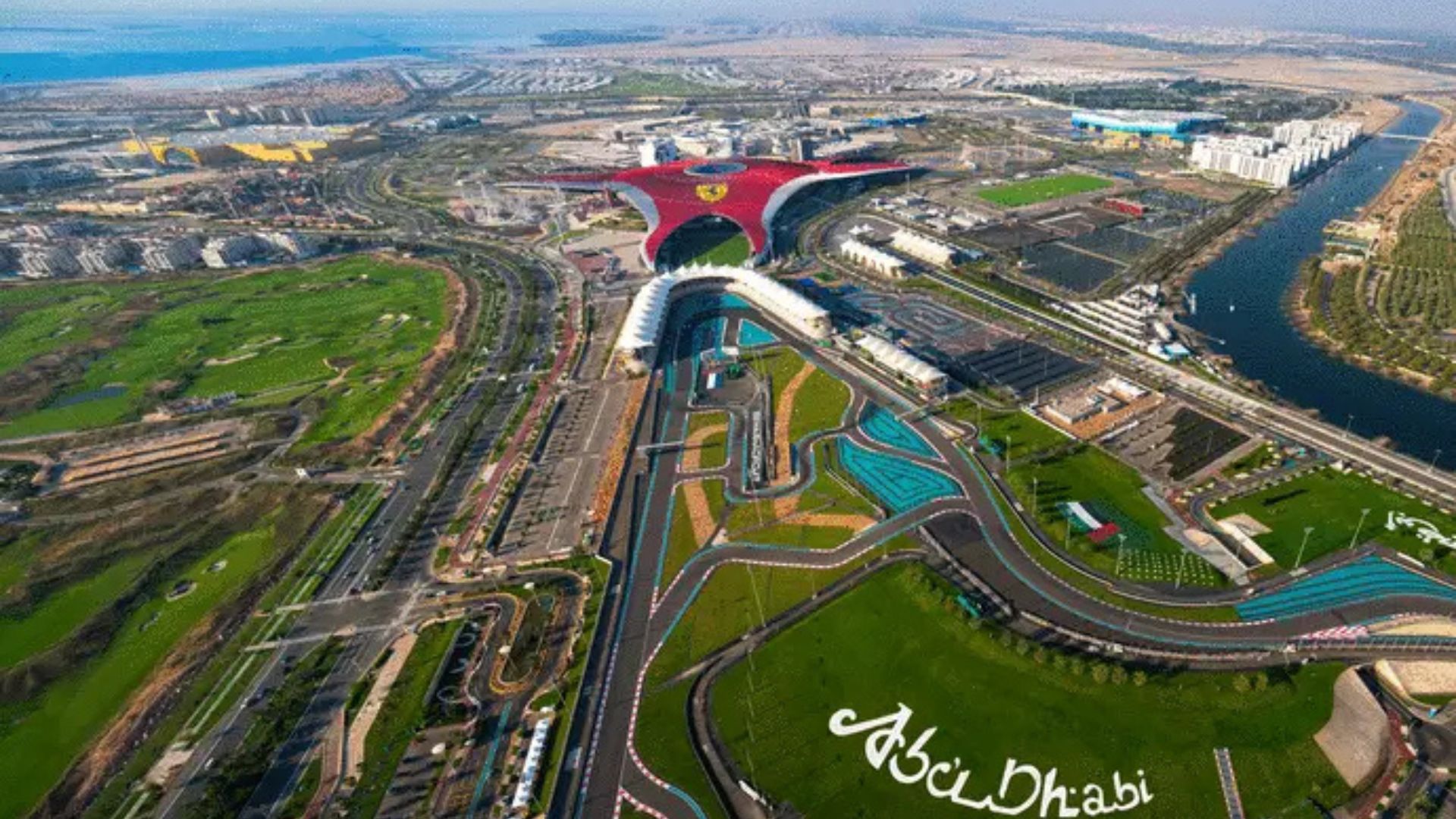
Built for better reading on desktop, tablet, and mobile.

Abu Dhabi Investment Psychology: Why Most Investors Panic Too Soon

Investor Psychology Abu Dhabi

Understanding Abu Dhabi Investment Psychology is the cornerstone of successful wealth preservation in the UAE's capital. While headlines often focus on transactional data and quarterly price shifts, the real movement in the market is dictated by the collective emotional state of buyers and sellers. In times of global economic shifts or regional geopolitical ripples, the human brain is wired to prioritize survival over strategy. However, in the high-stakes world of property, this biological "flight" response often leads to premature exits and missed gains. By mastering the psychological landscape, you position yourself to see clarity where others only see fog.

The current climate presents a fascinating case study in behavioral finance. We are observing a divergence between those who view real estate through the lens of short-term volatility and those who understand the structural permanence of the Abu Dhabi 2030 Vision. For many, the instinct is to wait for "perfect" clarity—a state that rarely exists in profitable investing.

Uncertainty vs Risk

The Core Pillars of Abu Dhabi Investment Psychology

To navigate the market effectively, one must first deconstruct the anatomy of uncertainty. Fear in the property market is rarely about the bricks and mortar themselves; it is about the perceived threat to liquidity and long-term security. In Abu Dhabi, where a significant portion of the investor base consists of high-net-worth individuals and expatriates, these fears are often amplified by external media narratives.

When uncertainty strikes, we see three distinct psychological profiles emerge in the market:

Investor Profile Behavioral Characteristics
The Frozen Buyer Paralyzed by the fear of "buying at the top." These individuals wait for a perfect dip that rarely comes, often ignoring the significant long-term cost of inaction.
The Defensive Owner Long-term holders who view property as a resilient, illiquid asset. They ignore short-term market noise and focus on weathering economic storms.
The Distressed Seller Typically highly leveraged individuals who allow emotional pressure and liquidity needs to dictate their exit timing, often selling well below intrinsic value.
Abu Dhabi Property Decisions

Strategic Shifts in Abu Dhabi Investment Psychology

Experienced players in the market know that Abu Dhabi Investment Psychology shifts from "Return on Investment" (ROI) to "Return of Investment" during turbulent cycles. This is not necessarily a sign of a failing market, but rather a healthy recalibration of risk. In Abu Dhabi, the government's proactive fiscal policies and stable regulatory environment provide a safety net that many other global markets lack. When you align your personal psychology with these institutional fundamentals, the "risk" of uncertainty begins to look more like a "discount" on future value.

Real Estate Market Analysis

Analyzing the Market Cycles

Market cycles are as much about sentiment as they are about supply and demand. By looking at historical data from Abu Dhabi’s growth history, we see that periods of "wait-and-see" are almost always followed by rapid absorption of inventory. This cyclical nature rewards the patient investor. While the crowd is watching the news, the strategist is watching the development progress in areas like Yas Island and Saadiyat.

Luluat Al Raha Living

The Role of Liquidity in Decision Making

Liquidity tightening is often a self-fulfilling prophecy. When banks become cautious, buyers perceive a lack of capital, which leads to slower transactions. However, for cash-ready investors, this is the "Golden Hour." The ability to close quickly without mortgage contingencies becomes a powerful negotiating lever, allowing for acquisitions at terms that simply don't exist in a booming, "greedy" market.

Market Sentiment Investor Action Strategy
High Uncertainty / Negative News Identify distressed assets and cash-buy opportunities.
Market Stagnation (Frozen) Focus on high-yield rental properties with long-term capital growth.
Initial Recovery Phase Increase leverage and diversify into off-plan developments.
Peak Euphoria Consolidate portfolio and avoid speculative high-premium buys.
Why Fundamentals Outlast Fear

It is crucial to remember that property is a physical asset with utility. Unlike digital assets or stocks, a villa on Saadiyat Island continues to provide lifestyle value or rental income regardless of global sentiment. The infrastructure of the UAE remains world-class, and the influx of global talent continues to drive demand. When you look at the 2,000-word trajectory of this market's development, it becomes clear that short-term psychological dips are merely blips on a long-term upward curve.

The Cost of Delay

Every month spent "waiting for the bottom" is a month of lost rental yield and potential capital appreciation. In Abu Dhabi, the supply of premium waterfront properties is finite. As seen on EstateHub 360, the demand for quality living spaces remains resilient because the city is not just an investment hub—it is a home.

Frequently Asked Questions

1. Why is investor psychology important in real estate?
It dictates market timing and negotiation power. Understanding sentiment helps you buy when others are fearful and sell when they are greedy.

2. Is now a good time to buy in Abu Dhabi?
Historically, periods of uncertainty offer the best entry points for long-term capital appreciation and better negotiation terms.

3. How do I avoid panic selling?
Focus on your long-term financial goals and the underlying value of the property rather than temporary market fluctuations.

4. Does Abu Dhabi offer protection for property investors?
Yes, the regulatory framework and escrow account laws provide significant security for both off-plan and ready properties.

5. What areas are most resilient in Abu Dhabi?
Prime locations like Yas Island, Saadiyat, and Al Reem Island typically hold value best during uncertain times.

Final Thoughts

Success in real estate requires a balance of analytical data and psychological fortitude. By staying calm and observing the fundamentals, you can turn moments of uncertainty into a legacy of wealth. For expert guidance on navigating the Abu Dhabi market, reach out to our team.

📍 EstateHub 360
Cloud Suite #126, Yas Mall, Abu Dhabi
📧 hello@estatehub360.com | 📞 +971 50 360 6464

ADM-202402341804 | CN-4844411

EstateHub 360

About Us

Experience a hassle-free real estate journey with EstateHub 360, your concierge for all your real estate needs.   Be it short-term rentals, long-term rentals, or investment properties, we've got you covered. We are dedicated to ensuring that you have a…

Newsletter

Be the first to see what is hot on the market!

The data provided will be used strictly to communicate information of interest!

Contact Us

Follow us:

© 2026 All rights reserved